
Importance of Art, Craft & Performance in Child Development
Discover the benefits of art and craft for preschoolers. Explore how creative play and workshops for children nurture skills, confidence and empathy
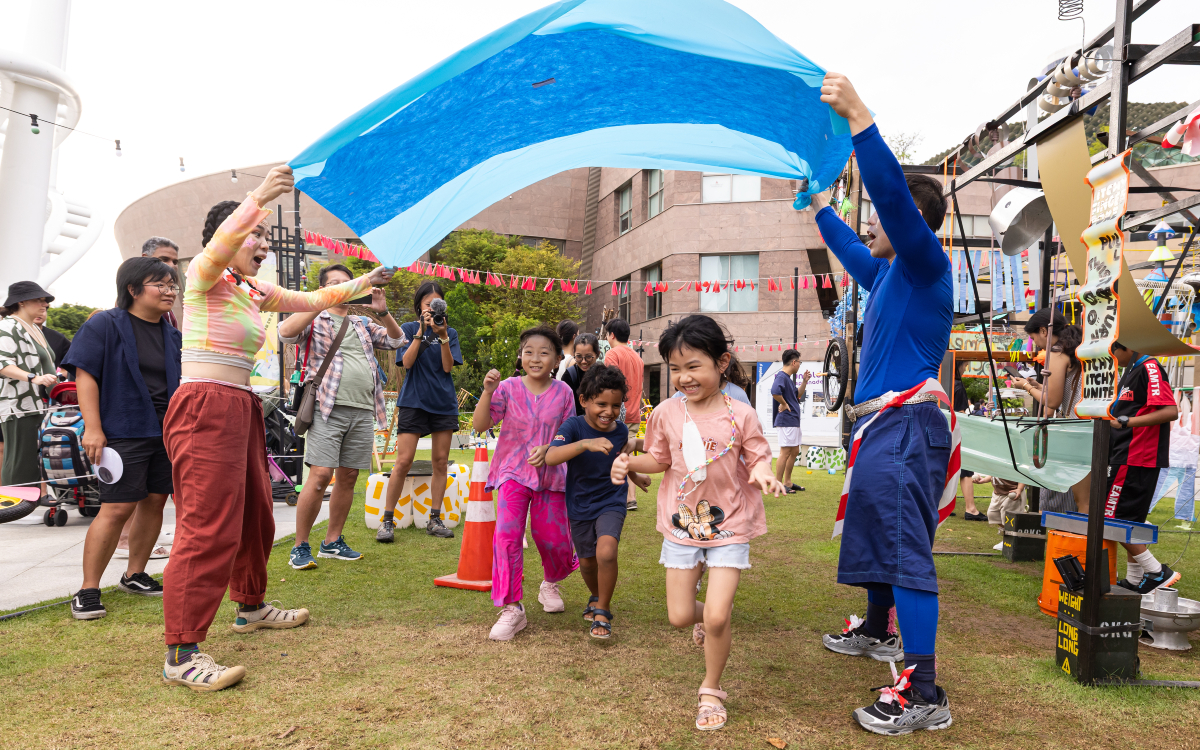
Ask any parent, and they’ll tell you that seeing their child joyfully splashing paint or exuberantly dancing is a wonderful sight. However, these moments are more than just fun activities. From early scribbles with crayons to imaginative theatre play, the arts nurture essential life skills that go far beyond the classroom.
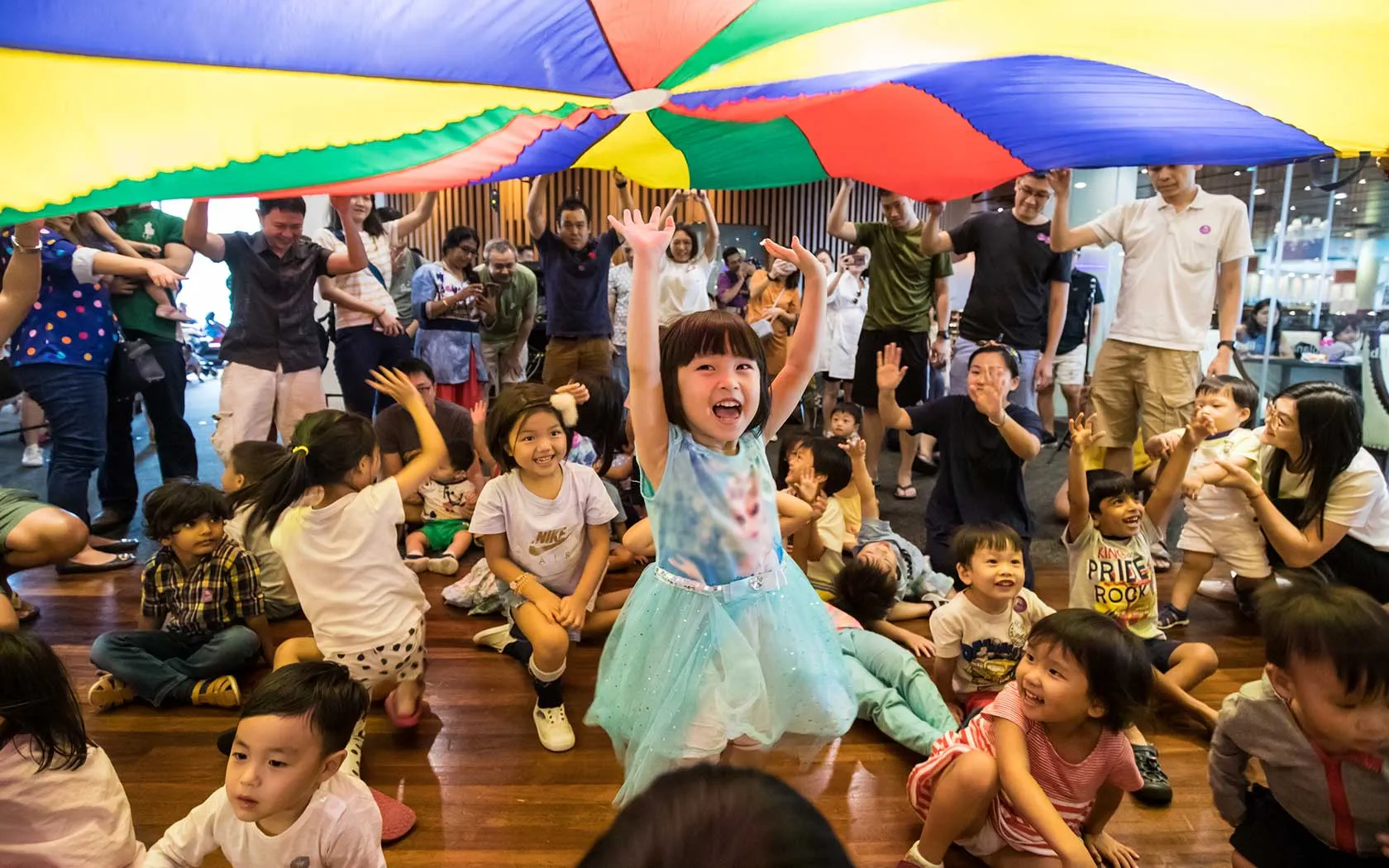
The importance of art, craft and performance in child development is increasingly being recognised by educators as developmental tools that build confidence, empathy and imagination. At Esplanade, families can experience these benefits firsthand through engaging programmes designed for kids, such as Dance Appreciation Series. With storytelling and art-and-craft activity spaces like PIP’s Playbox and introductory dance workshops (Footwork) that parents can take part in as well, every child can discover the transformative power of the arts.
Stimulates Creativity and Self-Expression
The most immediate and cherished benefit of the arts is the freedom to create. Art provides a safe space for children to express complex ideas, deep emotions and boundless imagination. Whether they’re reciting lines from a play or drawing an imaginary world, children develop their unique voice and strengthen their creative thinking through the arts.
Performing arts offer a parallel path to this expressive freedom. Theatre improvisation encourages quick, imaginative responses, dance allows them to communicate without words, and music-making helps them understand rhythm and tone. All these activities encourage children to take creative risks and develop originality and innovation—key traits that benefit long-term personal growth.
Develops Fine Motor Skills and Coordination
Engaging in the arts is also a highly effective way to develop fine motor skills and coordination. When young children manipulate tools like paintbrushes, scissors, crayons and playdough, they strengthen the small muscles in their hands and wrists. These skills are essential building blocks for precise tasks later in life, such as zipping up a coat, using cutlery and learning to write. This focus on dexterity is one of the key benefits of art and craft for preschoolers. Some fun craft projects for children and parents to work on together at home include making a straw pan flute.
The benefits of art and craft in early childhood education further extend into the performing arts. Dancing builds gross motor coordination, balance and spatial awareness as children learn movement sequences. Learning to play musical instruments refines timing, rhythm and dexterity, linking the mind and body in a highly coordinated fashion.
Boosts Problem-Solving Skills and Cognitive Development
Every creative project challenges children to plan, test and adapt. Should this colour go here or there? How do I build a tower that doesn’t topple? Such choices build decision-making and critical thinking skills that transfer seamlessly to other areas, like mathematics and science.
Performance arts add even more dimensions. Memorising lines for a play sharpens memory, learning dance sequences trains sequencing skills, and improvisation fosters flexibility. The best part? These skills are transferrable, preparing children to approach challenges in school and life with resourcefulness.
Supports Social-Emotional Growth and Self-Confidence
The benefits of art and craft extend deeply into a child's emotional world. Creating art builds self-esteem and resilience, and finishing a project gives children a sense of pride in their own work. Art provides a healthy outlet for emotional expression, helping children process feelings of frustration, joy and anxiety. When done with peers or family members, creative activities can also provide rich opportunities for collaboration, communication and mutual support.
In the performing arts, presenting to an audience in a workshop setting can teach courage and help children manage nervousness or ‘stage fright’. Overcoming these challenges—whether it's giving a presentation or performing a song—strengthens confidence and resilience, skills that will serve them well throughout their lives.
Encourages Holistic Learning and Brain Development
Did you know that when multiple senses are engaged simultaneously, this stimulates neural connections across the brain? Engaging in the arts is a form of holistic learning, which supports memory, attention and overall brain development. This makes it a valuable component of a well-rounded curriculum.
Performing arts take this further by integrating language, movement and music into a single activity. For example, singing a rhyme while performing hand actions supports literacy, rhythm and motor coordination all at the same time. This holistic integration is why many educators emphasise the benefits of art and craft in early childhood education.
Cultivates Empathy and Perspective-Taking
One of the most profound, yet often overlooked, benefits of the arts is its ability to build empathy. Performing arts, especially theatre and storytelling, help children step into different roles and understand diverse viewpoints, challenging them to consider the world outside their own experience.
This act of perspective-taking is crucial. It helps children connect with narratives, histories and cultures unlike their own, fostering a greater social tolerance and understanding. This powerful empathy-building through shared artistic experience is foundational to forming compassionate social relationships.
Making the Arts Part of Your Child’s Growth
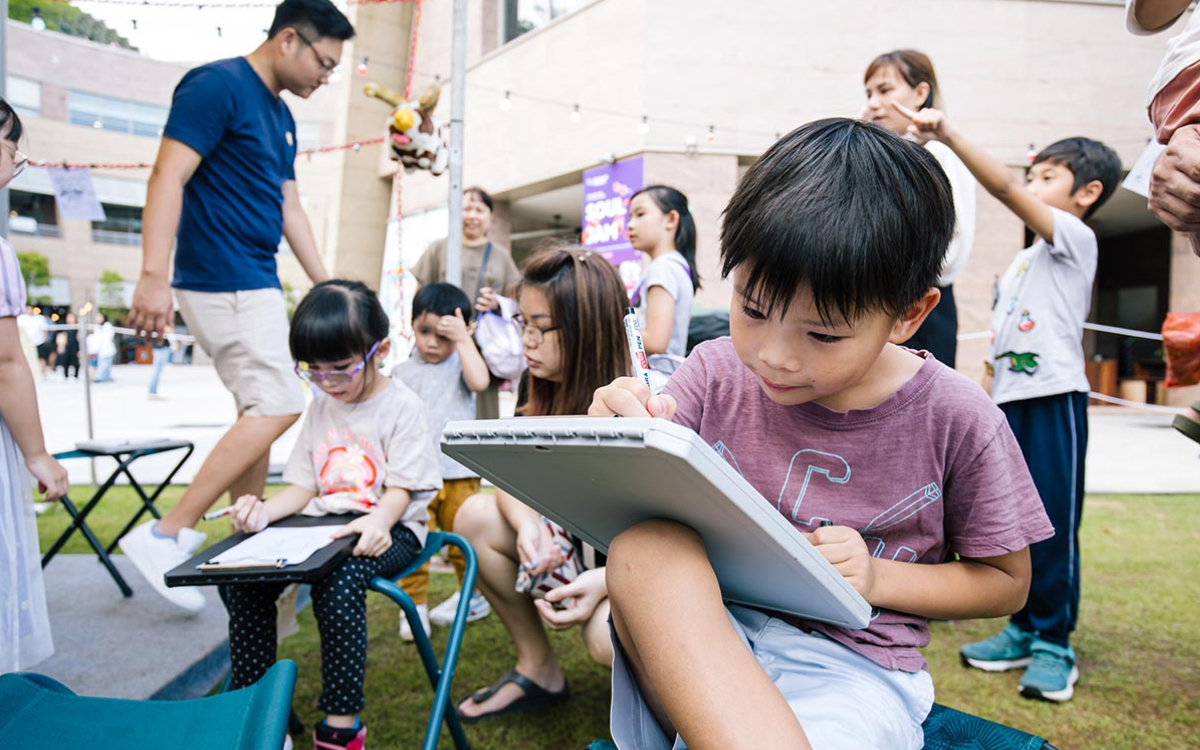
The importance of art and craft in child development cannot be overstated. From stimulating creativity and refining motor skills to boosting confidence, cognitive growth and empathy, the benefits of art and craft are both immediate and long-lasting. Performing arts deepen these advantages, helping children become well-rounded, resilient and compassionate individuals.
At Esplanade, we are committed to making these opportunities accessible for kids through free programmes and playspaces, ticketed performances and hands-on children’s workshops. When you weave these arts programmes into your child’s routine, they can discover the joy of creating, performing and connecting—all while developing essential life skills.
Inspire your child’s growth through the arts today. Sign up for Esplanade&Me membership and let creativity become a cornerstone of your child’s development journey.
Also Worth Reading
Esplanade with Toddlers vs Older Kids
Plan the perfect family day for kids at Esplanade Singapore. Discover age-friendly itineraries for toddlers and older kids to play, explore and have fun.
Teaching Empathy Through Art: How Kids Learn Compassion
Discover how empathy and art connect to shape kind, confident kids. Learn how Esplanade’s creative programmes nurture empathy through art and play.

Esplanade for Couples: Romantic Spots and Date Night Ideas
Enjoy a romantic date at Esplanade with sunset views, waterfront strolls, cosy dining, and live performances — all by Singapore’s scenic bay.
More For Your Kids
 Explore
 Sign Up Now