We use cookies to improve your experience on our site. To find out more, read our data protection and cookie policy. By using our site, you agree to our use of cookies. Close to continue browsing.
/
We use cookies to improve your experience on our site. To find out more, read our data protection and cookie policy. By using our site, you agree to our use of cookies. Close to continue browsing.




Find what you're looking for.
When children create, they do more than paint a picture or act out a story—they practise seeing the world through someone else’s eyes. Every brushstroke, every line recited on stage, is a quiet rehearsal in compassion. Teaching empathy through art allows children to explore feelings safely, connect with others deeply, and understand that every emotion, theirs and others’, deserves space to be heard.
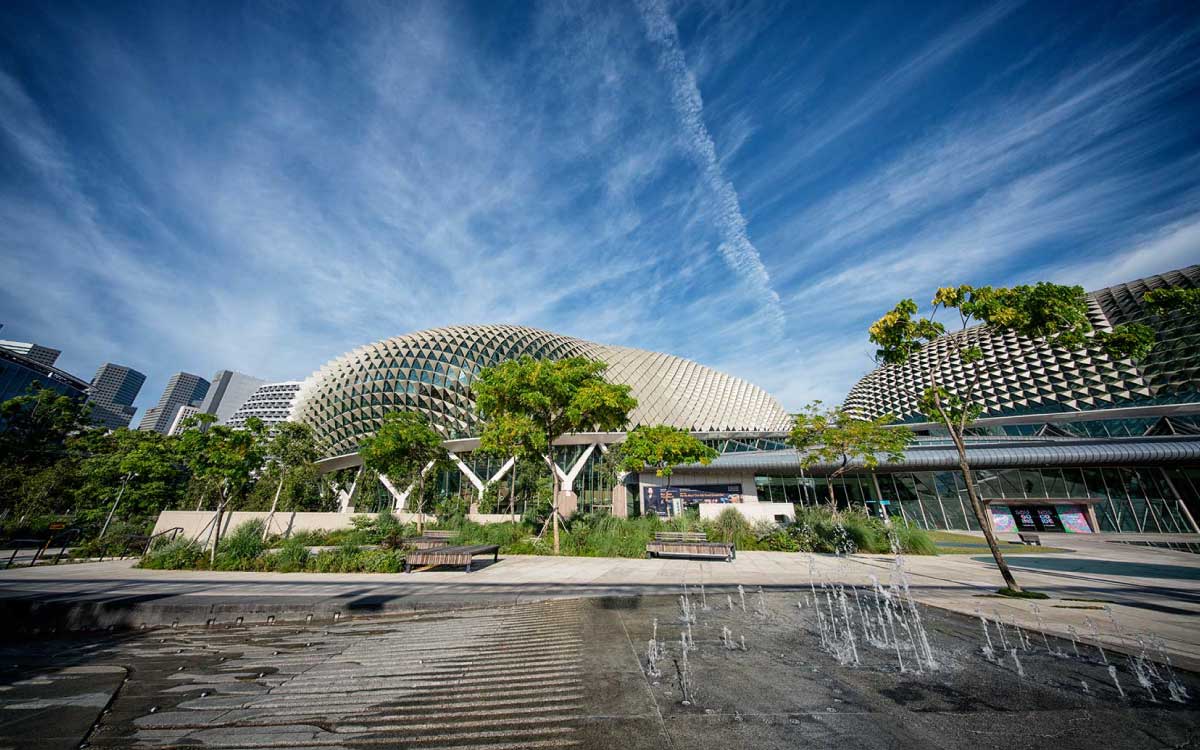
In an age where children are constantly told to “be kind” or “share nicely,” the arts go one step further: they let empathy be felt. Research shows that live theatre and creative art experiences don’t just spark imagination; they strengthen emotional understanding and pro-social behaviour. At Esplanade, programmes like PLAYtime! and PIP’s PLAYbox transform these insights into living experiences, where empathy isn’t a lesson plan, but something children practise through creativity, play, and shared wonder.
Empathy is more than a social nicety; it’s the foundation of kindness, collaboration, and emotional resilience. It helps children navigate friendships, build confidence, and connect meaningfully with others. When young people learn to recognise emotions, both their own and those of others, they gain the tools to communicate more thoughtfully and handle challenges with care.
For parents and educators, fostering empathy has become a key developmental goal. It reduces conflict, improves emotional wellbeing, and lays the groundwork for stronger communities. The arts are one of the most powerful and natural ways to cultivate this skill since it allows children to experience, imagine, and respond to different perspectives in creative, age-appropriate ways.
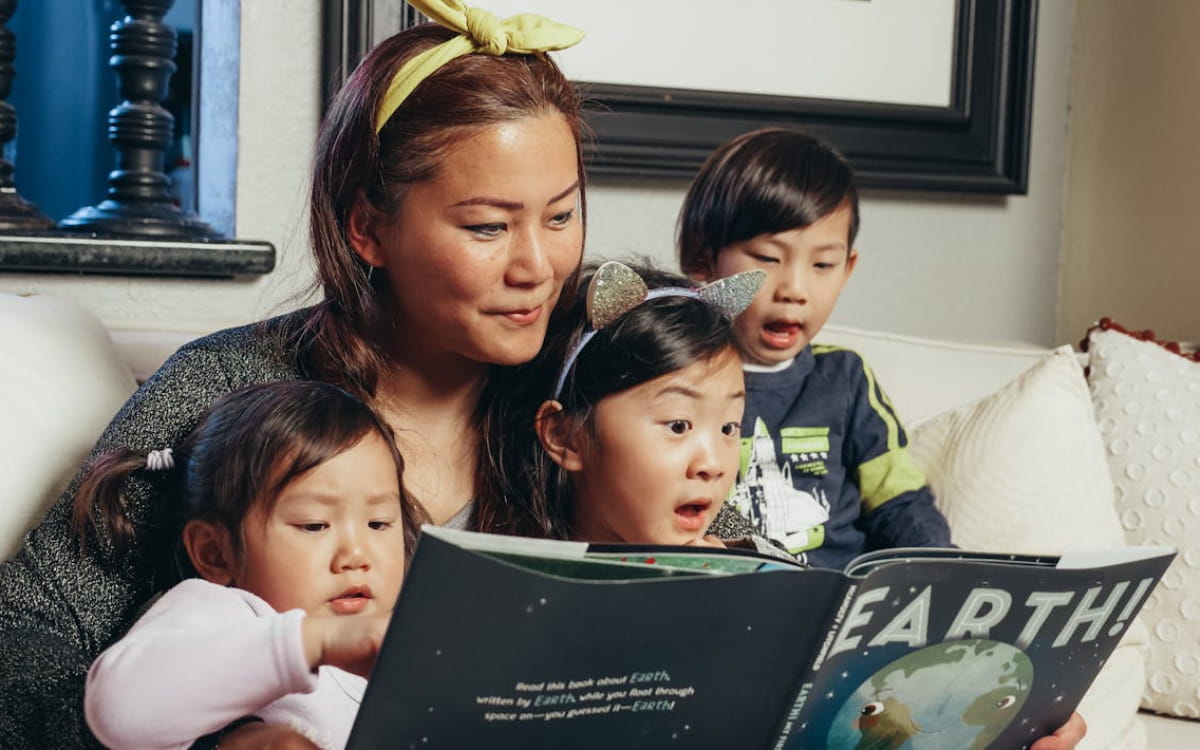
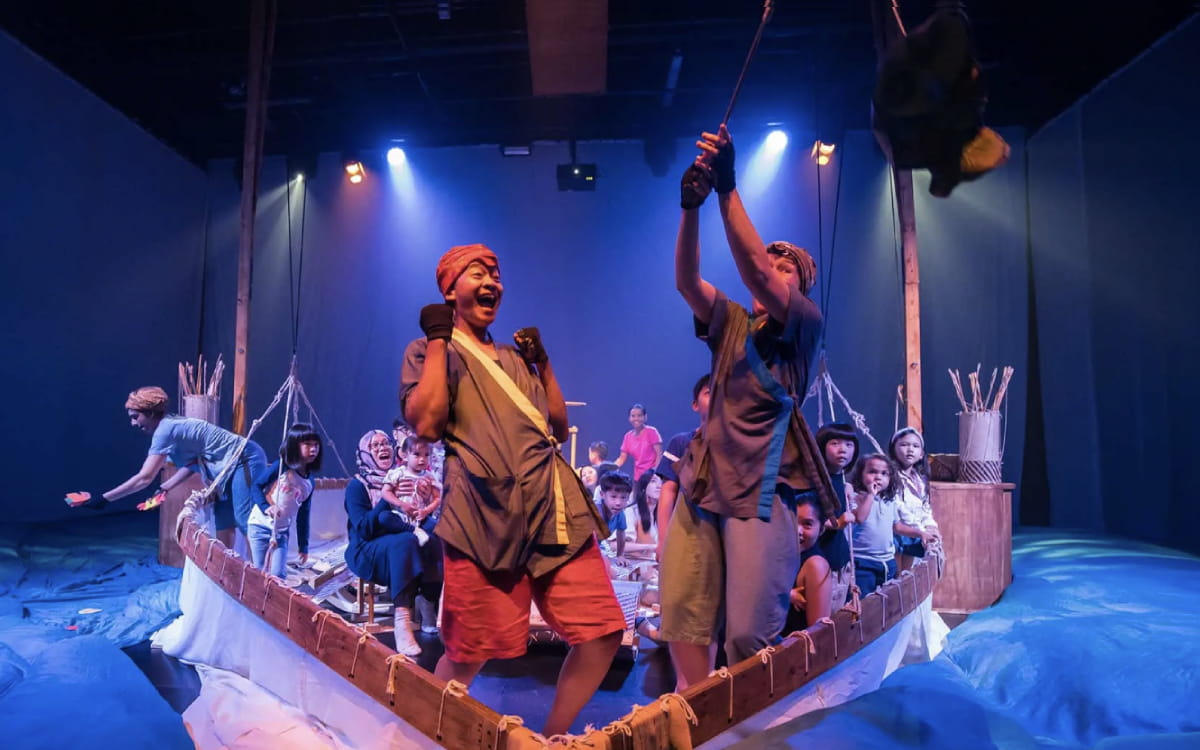
Theatre offers a unique kind of learning. It invites children to watch, listen and feel alongside characters as their stories unfold. Instead of explaining what empathy means, theatre lets children experience it. They see how a character feels, imagine what they might do, and reflect on how they would respond in the same situation.
At Esplanade, productions like The Feelings Farm, for example, helps primary school students identify and express emotions in a playful, non-judgmental setting. Children learn that feelings come in many colours and intensities, and that talking about them openly is a sign of strength.
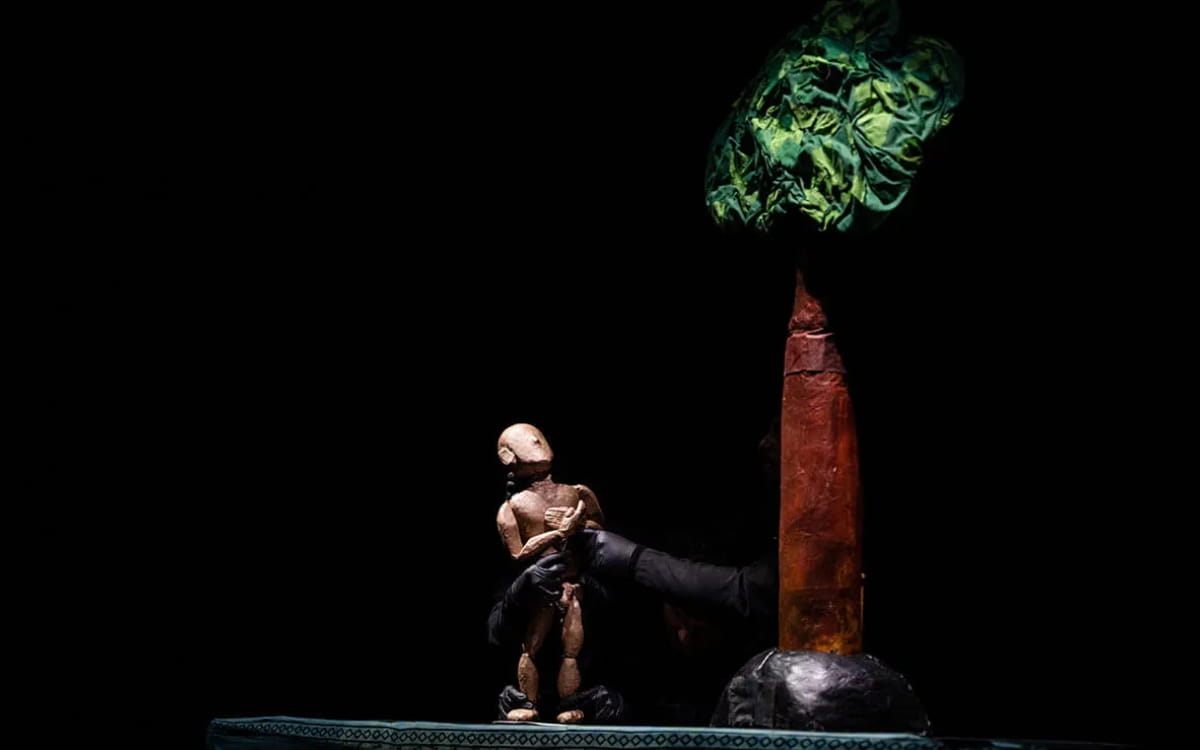
Younger audiences can also be exposed to captivating, non-verbal puppetry performances, which also help children to discover empathy and gratitude without a single spoken word.
Together, these experiences show how empathy and the arts come together to nurture compassion and self-awareness through the timeless language of storytelling.
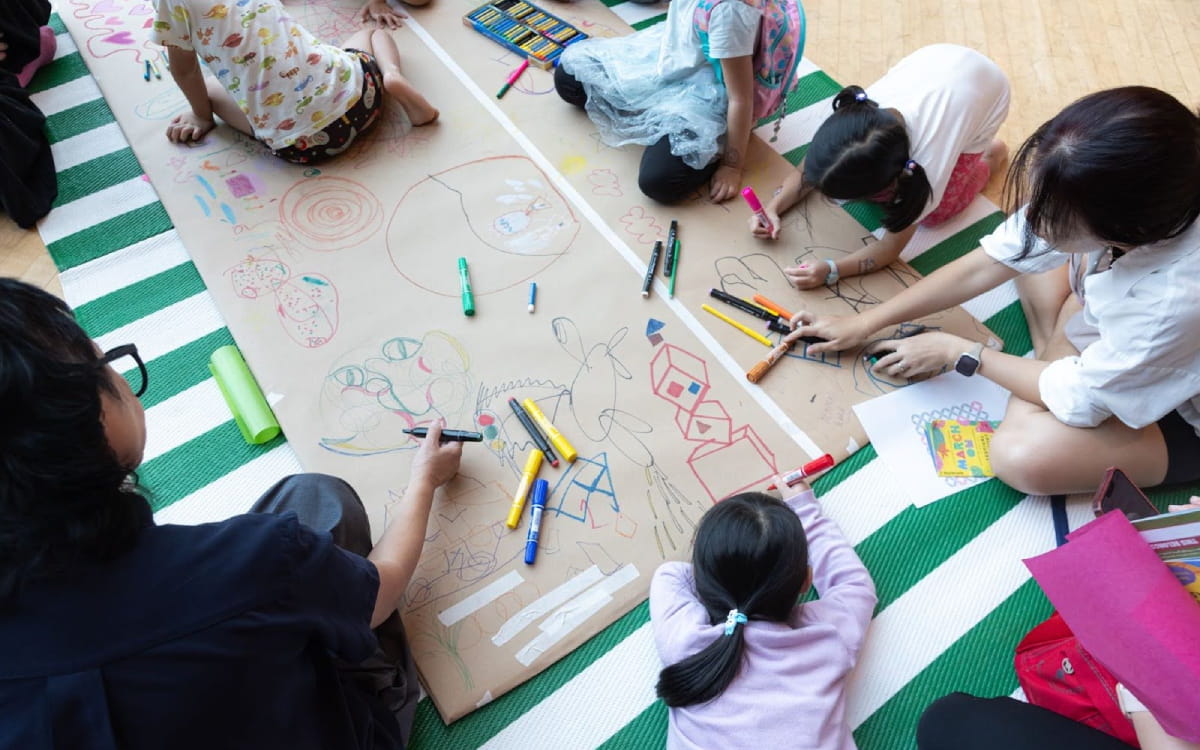
Hands-on creativity is another way children learn empathy through art. When they draw, build or role-play, they are not only expressing themselves but also imagining how others might feel. Art activities such as making story puppets or creating collaborative collages help children practise perspective-taking in fun, approachable ways.
A 2021 study released on PubMed by Morizio and her team found that structured art-based programmes improved both empathy and decision-making among young children. When children are given space to create, they learn to think about how others might feel while also processing their own emotions in a healthy way. In this sense, every creative activity becomes a quiet conversation about understanding and care.
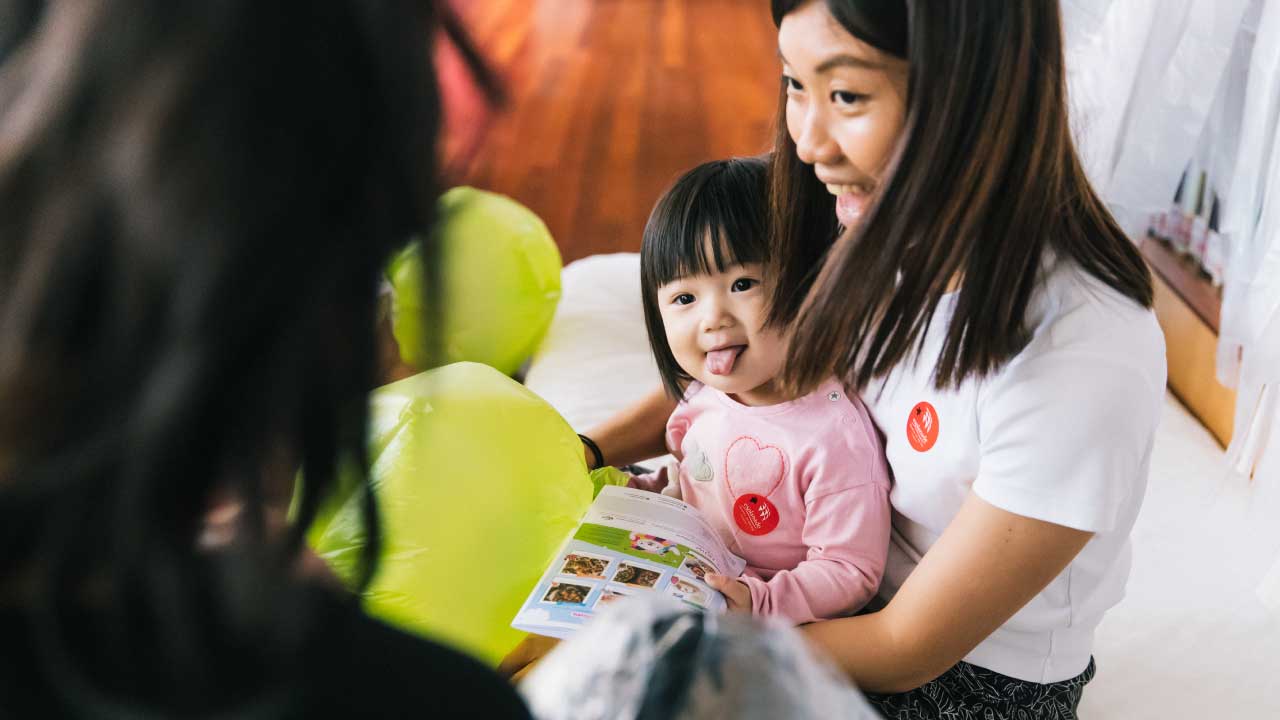
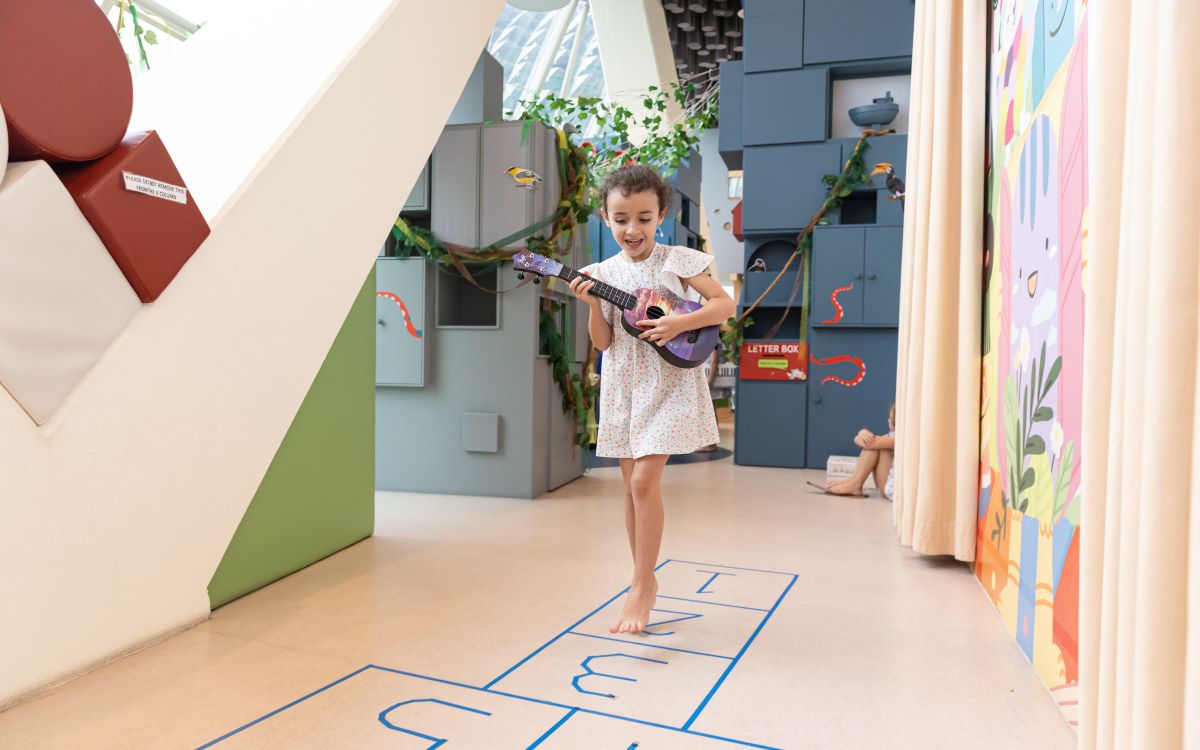
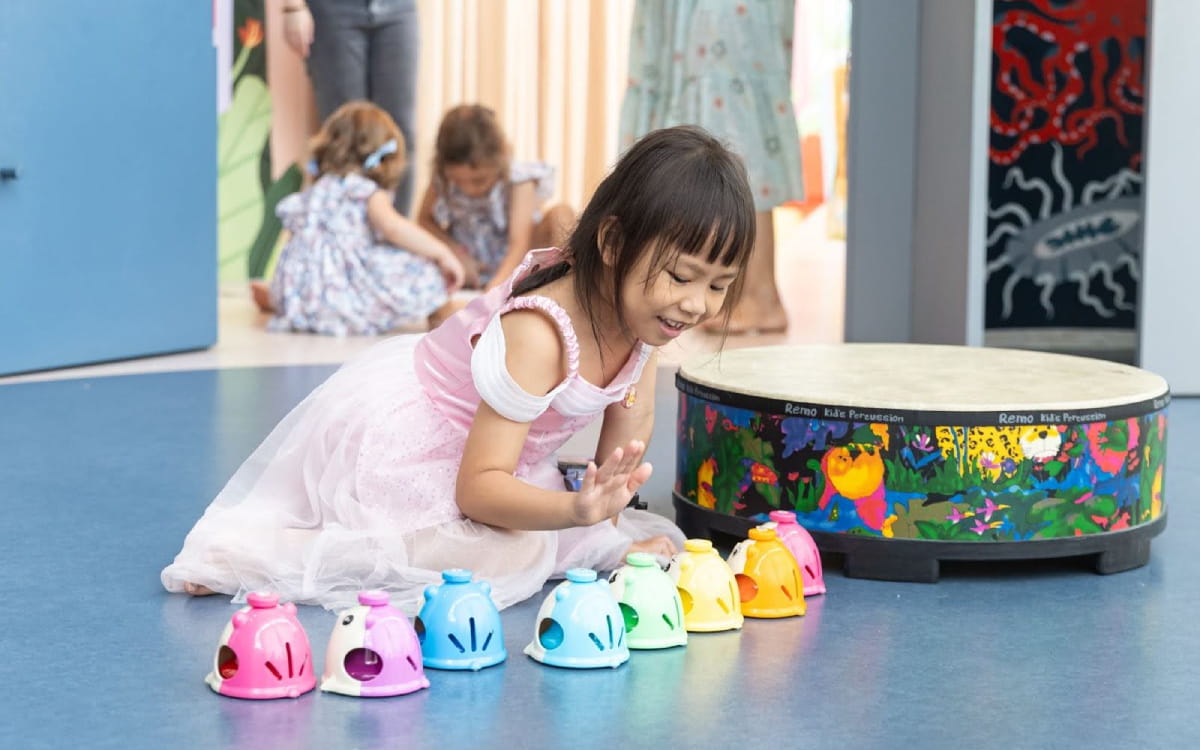
At Esplanade’s PIP’s PLAYbox, this idea comes to life in the most natural way. The inviting space encourages children to explore creative empathy through open-ended art and craft sessions. Here, little ones can invent stories through drawings or build something inspired by their friends. These art activities turn imagination into connection, helping children see that art is not just about making things — it is about understanding people.
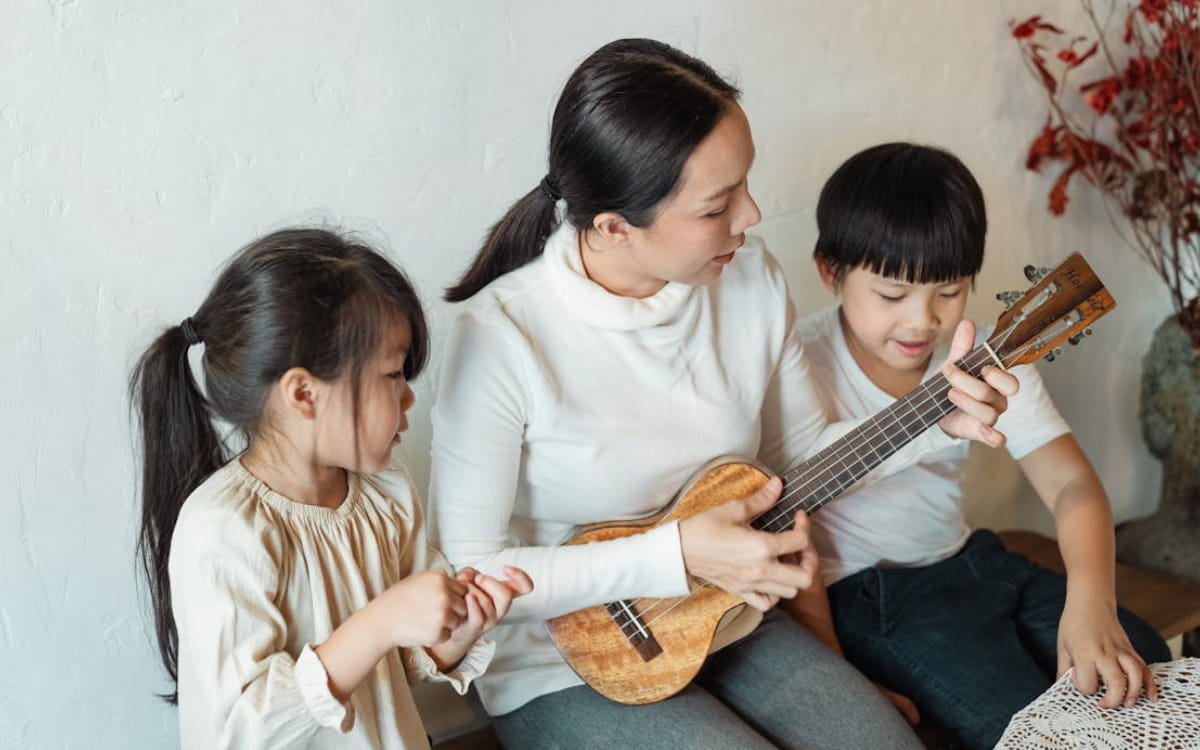
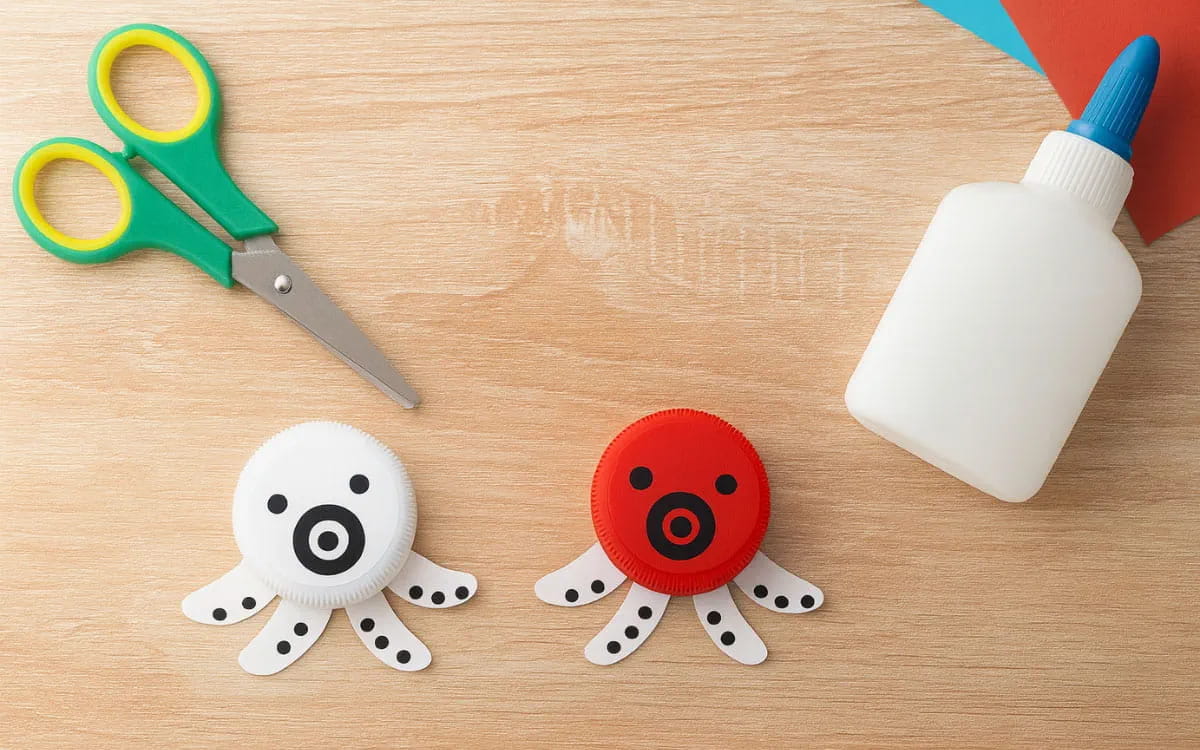
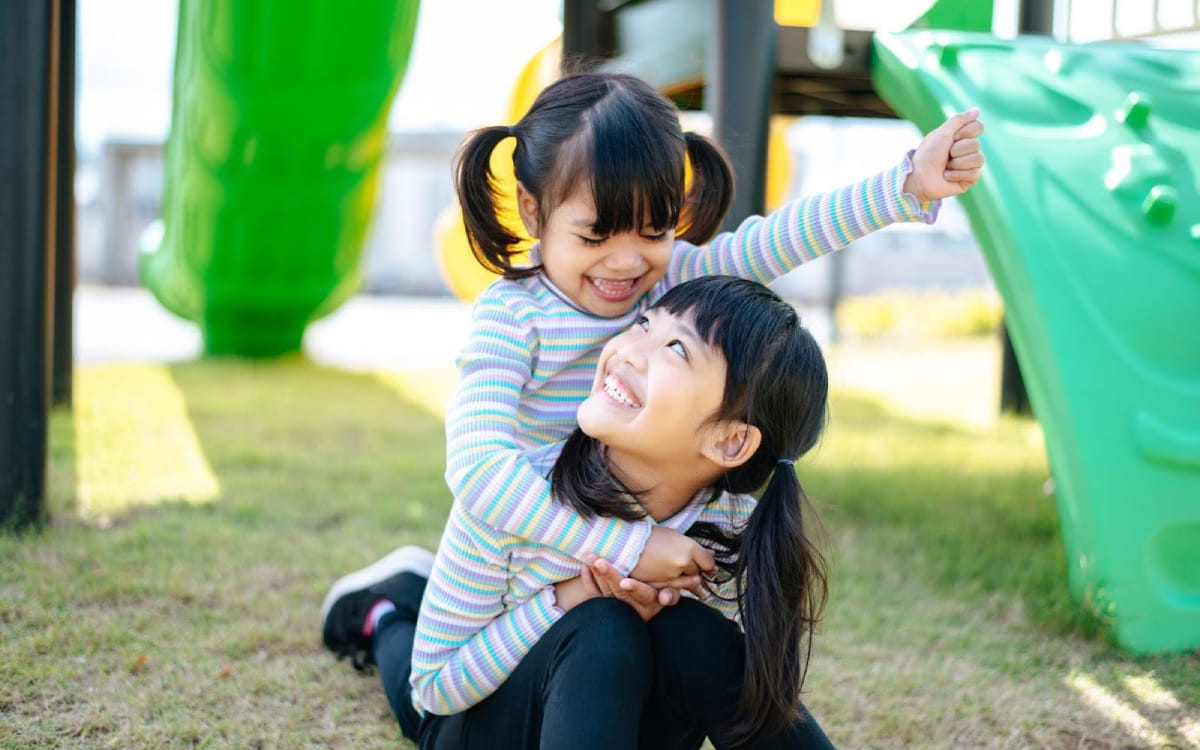
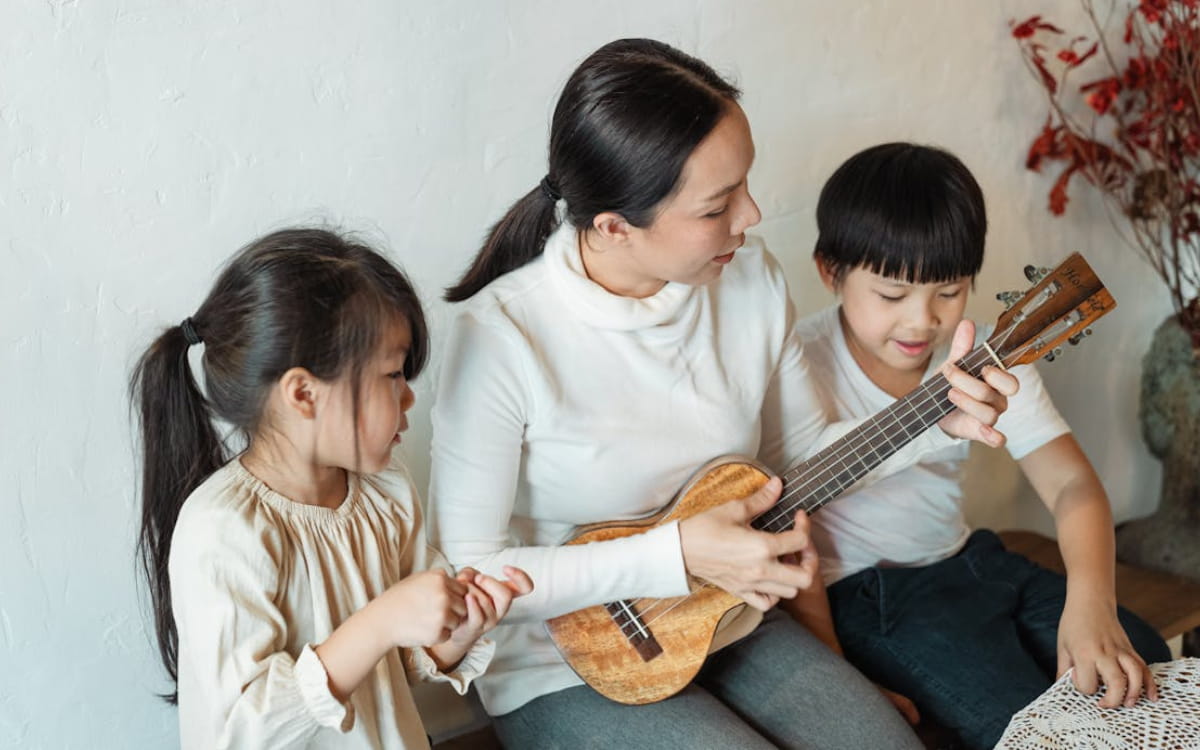
Empathy grows stronger when it is shared. Participating in the arts, whether through simple family activities like crafting an octopus together or watching a live performance, helps children appreciate different perspectives and understand the value of connection. Shared creative experiences open space for curiosity and empathy, inviting families to talk about how others live, feel and express themselves across different cultures and stories.
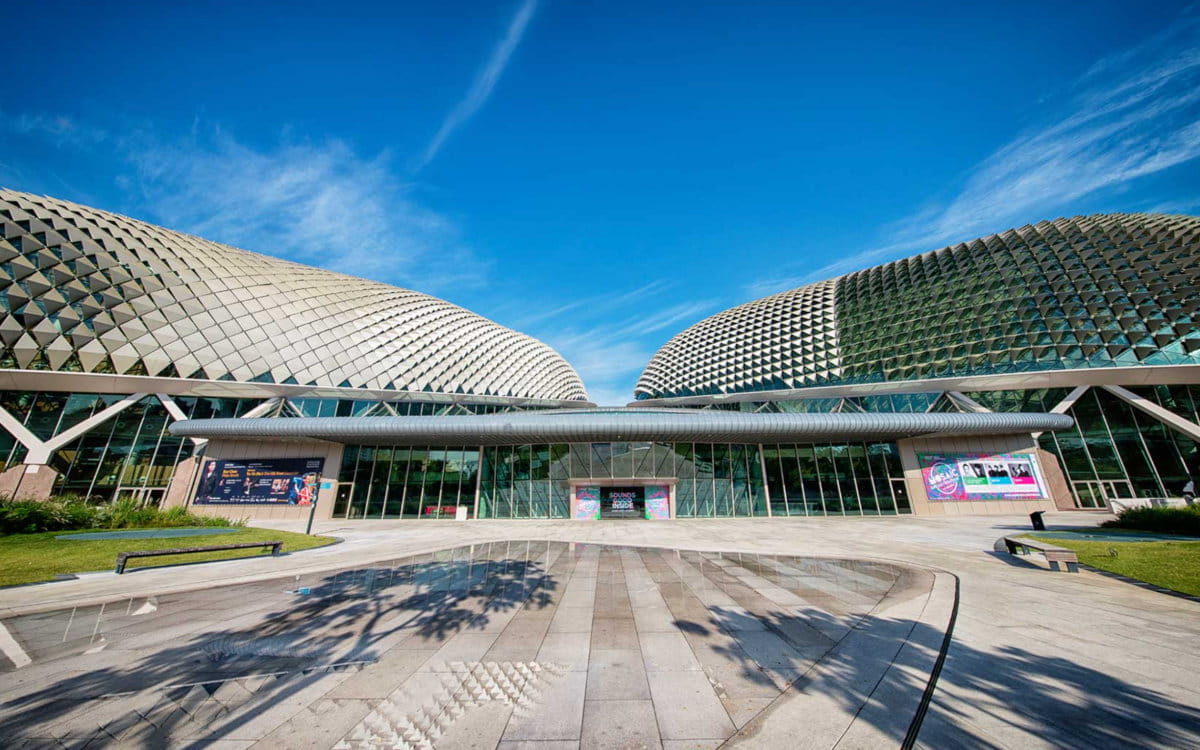
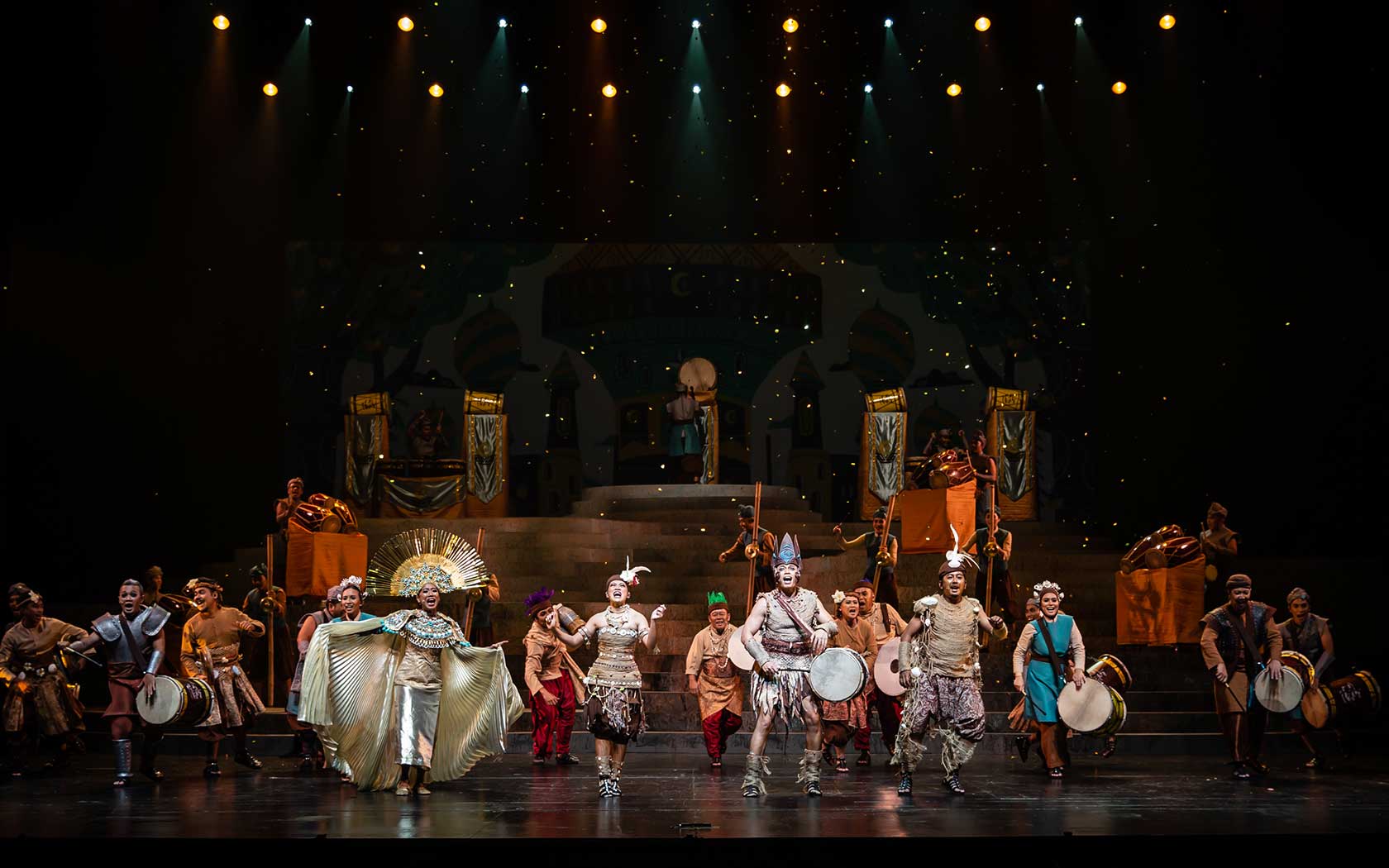
Free performances as well as activities at the Esplanade Concourse and DBS Foundation Outdoor Theatre are wonderful opportunities for this. These family-friendly shows feature music, dance and storytelling from around the world, exposing children to new traditions and rhythms.
Parents play an important role in helping empathy take root. Here are a few simple ways to nurture empathy through art at home and beyond:
Ask reflective questions. After watching a performance or completing an art project, ask, “How do you think that character felt?” or “What made you choose those colours?”
Encourage role-play. Acting out stories together lets children practise kindness, problem-solving and emotional expression.
Celebrate diversity. Attend performances or read stories that showcase different cultures and perspectives.
Focus on exploration. Keep creative time playful and pressure-free so that children can express feelings without fear of making mistakes.
Empathy is one of the most valuable life skills a child can develop. It grows when children are given opportunities to imagine, create and connect through the arts. At Esplanade, families can find countless ways to nurture empathy through art, from interactive performances to creative play spaces and free community shows. Every encounter with the arts is a chance to see the world through another’s eyes and to help our children grow into kinder, more understanding people.
Plan your next family day at Esplanade, where the arts inspire creativity, connection and compassion.
EXPLORE
More guides for you
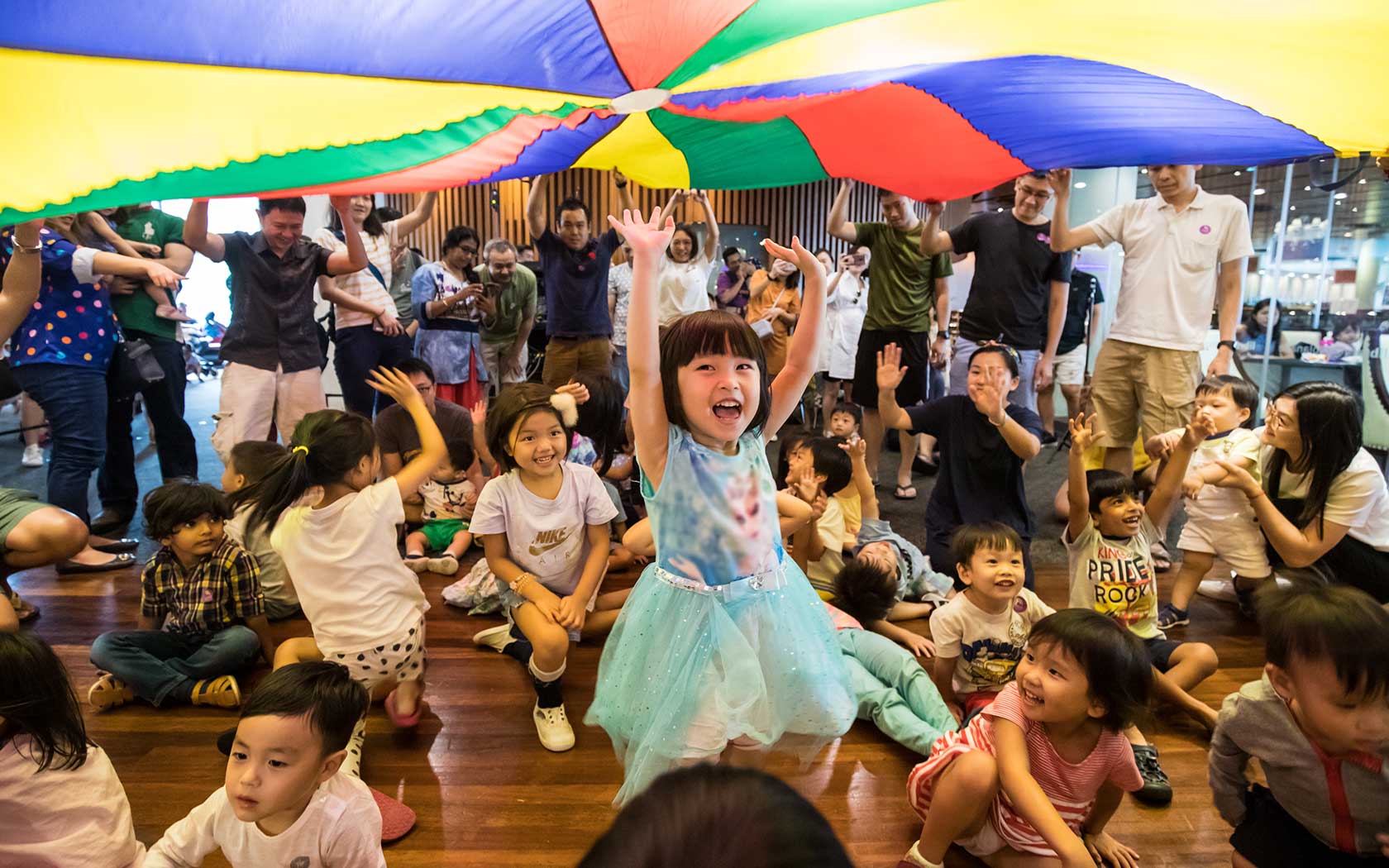
Discover family-friendly shows, workshops and free activities designed to spark your child’s curiosity at Esplanade. Explore what’s happening and plan your next day out together.

Great arts experiences begin with Esplanade&Me. Join this membership to enjoy ticket specials on shows at Esplanade, early bird specials, promotions at Esplanade Mall, unlimited access to Offstage and more.


.ashx?rev=8ef317eb05ec48d58920423189249a60&hash=920D5AA339BDBC5A4E5A80B659A18D31)