
Synopsis
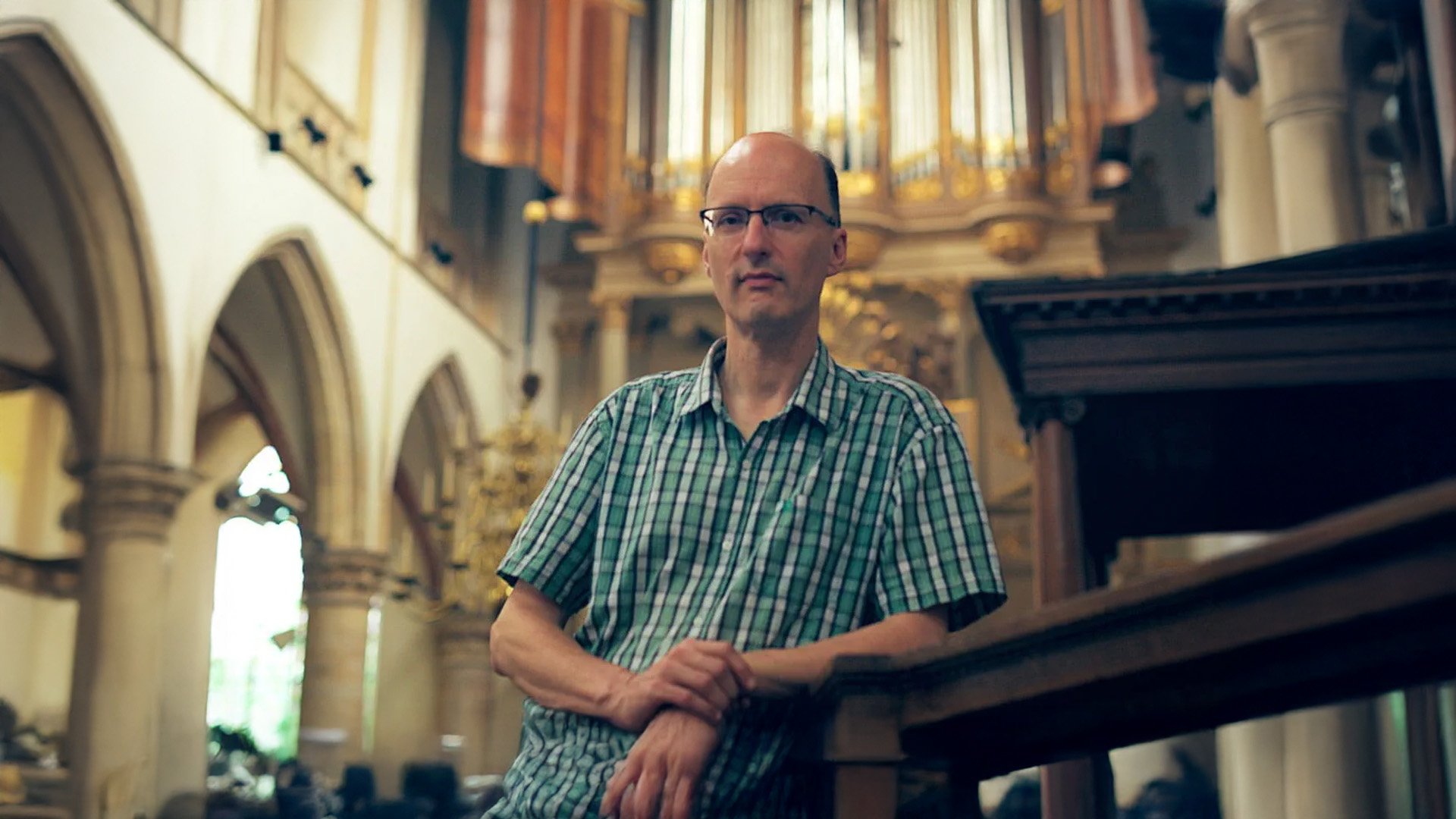
Not many sounds summon the sacred quite like the organ, with its resonant tones and powerful range that moves from meditative to majestic. It has, for centuries, inspired worshippers to the heights of religious fervour, awakening reverence and reflection in equal measure. Join Pieter van Dijk for an afternoon where contemplation meets grandeur.
From the Lutheran devotion of Bruhns and Bach, to the expressive possibilities of Mendelssohn and Franck, and the haunting, emotional harmonies of Reger, travel back to the Baroque and Romantic periods of the 17th–19th century—a time when composers sought to unite faith and artistic vision.
This programme closes with Bach’s iconic Toccata in D minor, BWV 565, a work whose intensity and timeless grandeur continue to capture the human desire to reach closer toward heaven.
Programme
Nicolaus Bruhns (1665-1697)
Prelude in E-Minor
Johann Sebastian Bach (1685-1750)
Partita sopra Sei gegrüsset, Jesu gütig BWV 678. 23
Choral with 11 Variations
Felix Mendelssohn-Bartholdy (1809-1847)
Sonate III in A-Major Opus 65 nr 3. 11
Con moto maestoso-Andante
César Auguste Franck (1822-1890)
from Trois Pièces:
Cantabile in B-Major 7
Max Reger (1873-1916)
From 30 kleine Choralvorspiele Opus 135a
Aus tiefer Noth, schrei ich zu dir
Johann Sebastian Bach (1685-1750)
Toccata in D-Minor BWV 565 9
About the organ
With one of the largest solo repertoires of any musical instrument, the organ has traditionally accompanied voices in praise of God, drawing from a rich body of music inspired by or written for the Christian church. In its earliest Grecian form dating back to 300 BC, it began as a water-powered instrument that channelled air through pipes. Over the centuries, its design evolved in size and complexity, influenced by its status as a musical symbol among the wealthy and powerful Greeks and Romans, among other factors. Notably, the court of Byzantine Emperor Constantine V gifted an organ to France in 757 AD, leading to the instrument’s growth in popularity among churches of Western Europe.
By the 15th century, innovations such as pedals, ebony keys, and new components were introduced, allowing for the performance of polyphonic choral pieces that were popular at the time. Tones that emulated other orchestral instruments and emphasised bass became possible, while the stacking of multiple keyboards enabled the organist to reach and play them all. Builders created instruments that leveraged on the acoustic properties within grand cathedrals. Aesthetically, pipe organs grew more elaborate and richly adorned, and by the 20th century, the organ’s full power was evident.
With so much of its repertoire composed to inspire meditation or communicate grandeur and power, the sound of a pipe organ is best described as majestic, moving, and profound—music that is inspired by and aspires to reach the heights of religious fervour. As such, it has long been acknowledged for its ability to deepen worshippers’ sense of connection with God.
Artist Information
Artists
Date & Time
 Explore Offstage
More to Explore


More to Explore
Frequently Asked Questions
 View All
Frequently Asked Questions
When a show is cancelled, ticket buyers will be duly notified by the event organiser primarily via email. You may also be notified through the event organiser's authorised ticketing agent, media or any other applicable communication channels. Information will be provided on where and when you can get your refund. For postponed performances for which the date of the new performance is known, refunds are optional.
For free programmes, any cancellations or postponements will be updated on the event website and/or relevant official communication channels. As no tickets are issued, refunds do not apply.