
Sun, 3 May 2026: 9 pm
Peroveta – Prophet Songs
Synopsis
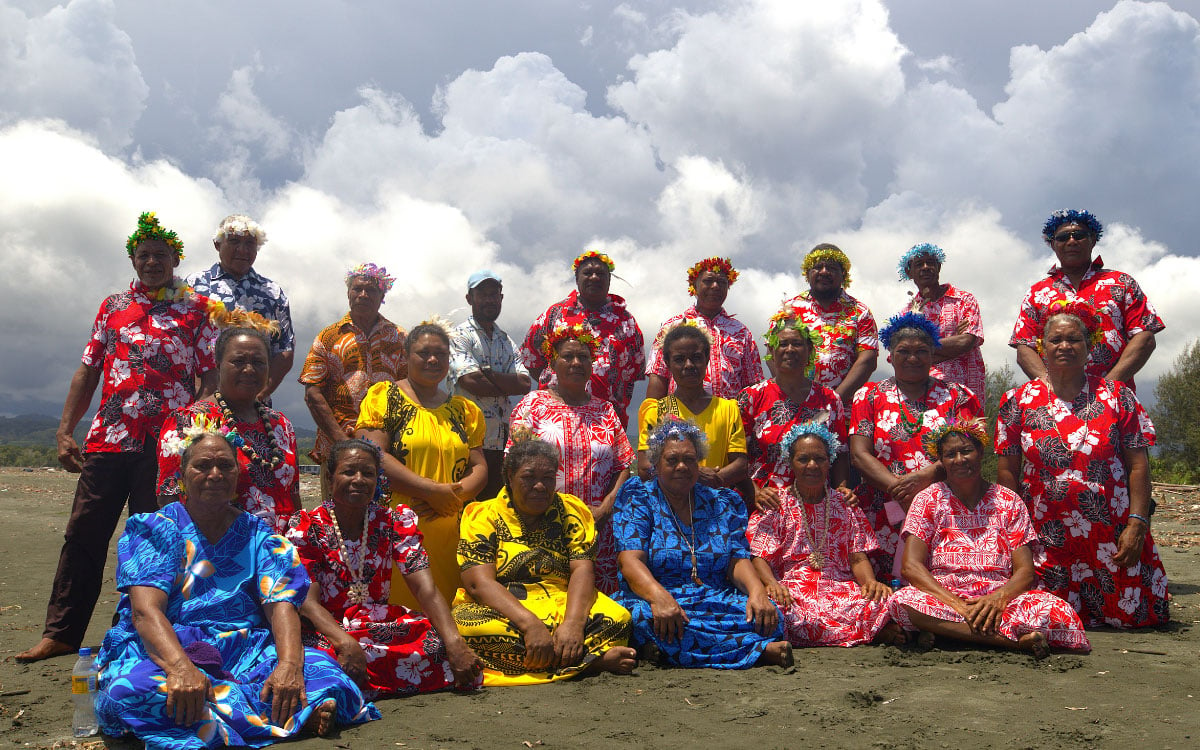
From the shores of Papua New Guinea comes a choral language shaped by community and devotion. In this rare performance, the Kapari Viriolo Village Cultural Ambassadors breathe life into peroveta, the sacred “prophet songs” where voices rise and fall like a gentle surf, carrying within their movement prophets, apostles, and the radiant legacy of Papuan faith and history.
Follow the tide of voices as 16 women and 9 men weave music together in delicate harmony, presenting an ancient song and dance in the Kapari dialect of the Keakalo language, as well as an ute, a lyrical lament in the Vulaa/Hula tongue.
Papuan prophet songs: faith and transformation on the coastal shores
“Announce the Good news: the arrival of the Lord Jesus Christ to Papua New Guinea.
Hoist the flag high / Like a light shining all over the region.”
– Lyrics from Sivarai Namo Eme Ginidae
The women begin the melody, their voices bright and unwavering. The men follow, sometimes echoing, at other times in counterpoint, their voices blending in exquisite harmony. Sung in the Motu language, these songs weave bible stories with history, retelling how missionaries brought light and good news to the Papuan coastal shores.
For centuries, the coastal Motu people built their dwellings of thatched roofs and plank floors on stilts at the water’s edge, making their living as fishermen and traders along the Papuan southeastern coast. Each year, they launched elaborate trading expeditions in large boats, propelled by crab-claw-shaped sails woven from coconut fibre, while holding traditional dances to honour their ancestral spirits. That began to change with the arrival of the British in 1873. The London Missionary Society sent Polynesian teachers from various Pacific islands, followed by British missionaries, to spread Christianity along these coasts.
These missionaries regarded the traditional dance ceremonies as morally objectionable practices of licentiousness and sought to replace them with bible songs. A melody would first be taught to new converts in their Polynesian mother tongue, later adapting the original lyrics into the Motu language. Over time, they came to be known as peroveta anedia, or “Prophet Songs.”
At a time when the Motuans had no written language, the repetition of the earliest peroveta became a way to remember and recount stories from the bible. As the Motuans familiarised themselves with both the musical form and the Bible, they began composing their own peroveta, weaving scripture, missionary histories, and even local motifs into their songs, and passing them down the generations through oral tradition.
A living oral tradition
The singing of peroveta is a joyful and communal practice, binding the people to one another and their origins. With over 95% of Papua New Guinea now identifying as Christian, this tradition has become historically and religiously embedded in the community. Yet, as the younger generation embraces modern forms of church music, the practice of peroveta is slowly waning. Some groups have taken up the responsibility of guarding and continuing the tradition.
Come witness the soaring and interweaving parts of peroveta by Kapari Viriolo Village Cultural Ambassadors.
Artist Information
Artists
Date & Time
 Explore Offstage
More to Explore


More to Explore
Frequently Asked Questions
 View All
Frequently Asked Questions
When a show is cancelled, ticket buyers will be duly notified by the event organiser primarily via email. You may also be notified through the event organiser's authorised ticketing agent, media or any other applicable communication channels. Information will be provided on where and when you can get your refund. For postponed performances for which the date of the new performance is known, refunds are optional.
For free programmes, any cancellations or postponements will be updated on the event website and/or relevant official communication channels. As no tickets are issued, refunds do not apply.