Why stressed Singaporean youth are retreating to the 2000s

Published: 21 Nov 2025

By: Luthf Izz Qaisy

Time taken : <5mins

Luthf Izz Qaisy is a Baybeats Budding Writer mentored by Ilyas Sholihyn, editor-in-chief of RICE Media and Eddino Abdul Hadi, music correspondent for The Straits Times.
“Some music is timeless—like chicken,” says Vira Suria. “Whether it’s fried or grilled, everyone likes it.”
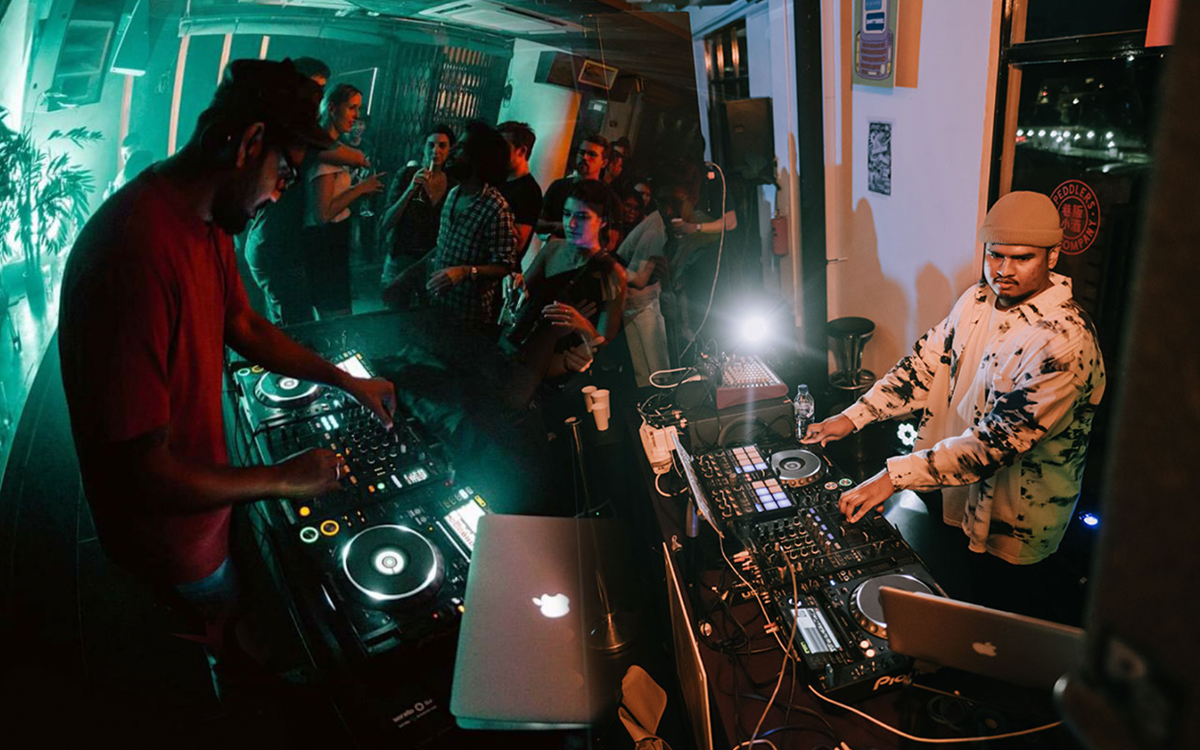
The 34-year-old DJ would know. He co-founded Culture, the collective behind themed nights spanning everything from emo anthems to Y2K pop bangers—complete with partygoers dressed as Shrek characters.
But throwback parties are nothing new. Long before Culture, Zouk’s Mambo Jambo turned nostalgia into a national dance floor phenomenon of choreographed dancing fuelled by 1980s and 1990s radio anthems.
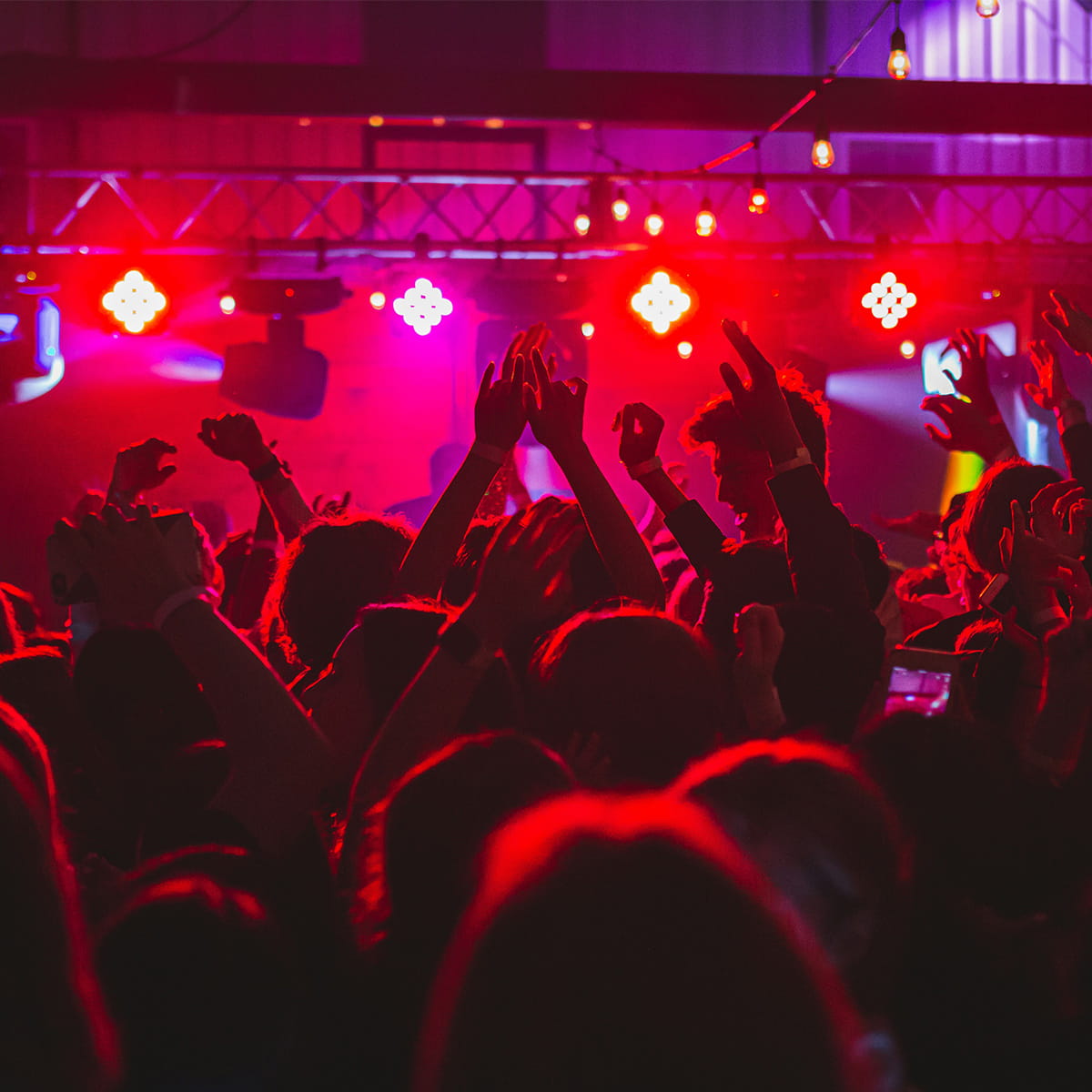
Nostalgia is a hell of a drug, and Singapore’s Gen-Z crowd have found new ways to get their fix. What used to live on burned CD-Rs and iPod playlists now thrives on TikTok edits and ironic club nights.
For millennials, it’s mildly horrifying to realise that the songs that soundtracked their teenage years—like Pitbull’s Hotel Room Service and My Chemical Romance’s I’m Not Okay—are now considered retro. But this isn’t just about getting old; it’s about what happens when a generation facing aggressive change retreats into the comfort of the familiar.
By immersing themselves in the easily consumed, predictable music of the past, Singapore’s youth are seeking safety in a time when life was simpler and the primary goal was uncomplicated joy.
The key to understanding the depth of this nostalgia isn't just that the music is good; it’s that this generation feels they were cheated out of experiencing it in its prime.
For many young Singaporeans of a clubbing age now, the foundational hits of the 2000s and early 2010s—the era of peak commercial EDM (electronic dance music) and iconic pop—were played in clubs when they were still in school. Gabrielle Lourdes Lim, 19, a Ngee Ann Polytechnic student who attends these throwback nights, identifies this central ache.
“When all these classic EDM hits came out,” she reflects, “We were not of age to club.”
This context reframes the entire movement that’s about reclaiming a rite of passage. Popular pop-house hits like Clarity by Zedd and Levels by Avicii, are both melody-driven and accompanied by huge layers of synth soundscapes. For Gabrielle and her peers, these era-defining songs were first heard through headphones or YouTube. Now, they are finally experiencing them on the dance floor where they were supposed to be played.
Gabrielle emphasises this with deep feeling: “The experience of being at a throwback-themed event was so fulfilling, and it always had been something that I wanted.”
This act of musical reclamation directly combats the stress of the present. When daily life is an exhausting pursuit of academic excellence and career hustle, the familiar anthems offer instant emotional reward.
Gabrielle notes that when the crowd connects to a song from their childhood, “you just know that, like, the stress is out of the door.”
In other words, these events function as a deliberate, communal purge of external pressures for a new generation of Singaporeans.
This powerful connection back to childhood memories is what drives the consistent turnout for "safe" music. Vira contrasts the guaranteed success of recognisable anthems with the risk associated with modern, niche genres.
“For example, if I were to throw a hard techno event—the numbers are not there,” Vira notes. “Whereas, if I threw a 2000s event, the numbers are always there. That’s what I meant about people actually being stuck in the past, or they just don’t want to get out of their comfort zone.”
Gabrielle confirms this foundation: the interest in the past “just ties everything back to our childhood”. This era of childhood—pre-social media saturation, before major global anxieties solidified—represents a time of assumed stability.
Psychologically, this points to a search for certainty. In a city that demands constant innovation and adaptation (and more than a dash of upskilling), the aural comfort of an old hit provides instant emotional equilibrium.
The music acts as a potent memory trigger. It’s about the ability to “relive memories”, as Gabrielle notes, a memory untainted by the current pressures of a turbulent economy. The throwback scene is, therefore, a form of therapeutic escapism validated by a crowd of peers seeking the exact same relief.
Vira also brings up a notable point: trends are cyclical. This could be linked to the phenomenon known as the ‘20-Year Rule’, in which trends resurface every two decades or so. This would also explain the timely resurgence of 2000s culture.
This revival is a proven commercial engine for nightlife, demonstrated by the proliferation of themed nights like how Culture runs "Back 2 Two Thousands"; UnfilteredPresents hosts popular "Flashback Friday" events playing 2000s hip-hop and pop; and major clubs like Zouk feature "Total Recall" nights.
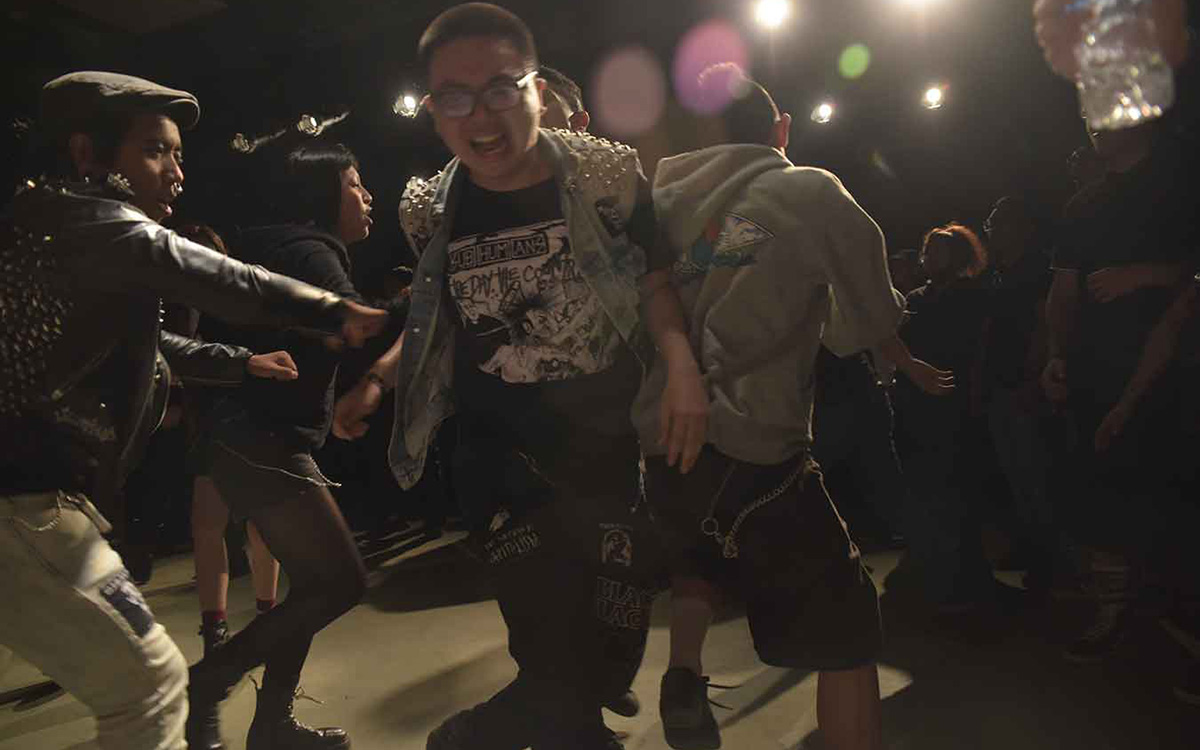
The 20-Year Rule also serves as the essential cultural engine linking throwback music to fashion, establishing a unified aesthetic. When an era's music, such as the 1990s grunge or early 2000s pop-punk, is rediscovered by a new generation, it automatically pulls its associated fashion styles along with it.
This need for a "safe place" isn't just about the music; it informs the entire ethos of how these community-focused events are run. For Vira, the new version of success in the nightlife industry must be rooted in something deeper than pure profit—as a subtle rebuke to the commercially driven nightlife model Singapore has long prioritised.
He warns against performing purely for external validation, cutting straight to the heart of the matter: “Don't hold any ulterior motive when it comes to going to a club.”
He believes the genuine energy that draws people in can only come from a place of radical sincerity, which he boils down to a simple, almost revolutionary philosophy in a hustle culture:
“
”
For Gen-Z, this authenticity matters. As a generation that came of age without learning the unspoken rules of clubbing when COVID-19 hit, the dance floor is a sanctuary of shared, non-judgmental enjoyment. This feeling of being seen and accepted, without the need to hustle or curate, is the ultimate antidote to the anxiety that comes from today’s informational overload.
It’s a communal decision to hit pause on the relentless pursuit of the future and instead ground themselves in the simple, familiar and universally loved sound of the past. While music often progresses through pastiche, the act of borrowing and creatively mixing past trends, the question remains whether the current trend is one of creative synthesis or merely commercial revival.
Vira notes that culture is an "ever-changing cycle", but he also acknowledges the feeling of being "stuck in the past". Does the current dominance of throwback sounds foster the creation of challenging new remixes, or does it, at this moment, prioritise the safety of straightforward repetition over genuinely experimental risk?
The test for this newly revitalised scene will be whether it can evolve the fundamental passion and sincerity Vira believes is essential for creating cultural experiences into a foundation for new sonic frontiers—or if the sweet relief of nostalgia will ultimately become a comfortable trap.
Contributed by:
Luthf Izz Qaisy is the former Station Manager of Radio Heatwave, Singapore’s first Campus Radio Station at Ngee Ann Polytechnic, where he realised his passion for both music and writing. When he’s not going on-air or trying to get over his fourth writer’s block of the week, he’s capturing the city through his lens with his trusty film camera. Follow him on Instagram at @ltfzqaisyyy.
The Baybeats Budding Writers mentorship programme has been running since 2014, building a community of writers to cover the growing Singapore music scene. Under the guidance and mentorship of Eddino Abdul Hadi, our budding writers learn more about music journalism and how to be a voice for the local music community.