Morlam lives on

Published: 24 Feb 2025

Duration: 06:14
Driving out of the underground
Published: 24 Feb 2025
Duration: 11:22
Straight out of Hong Kong
Published: 24 Feb 2025
Duration: 10:32
Who brought NYC here?
Published: 24 Feb 2025
Duration: 15:10

Riding those boom bap beats
Published: 24 Feb 2025
Duration: 11:04
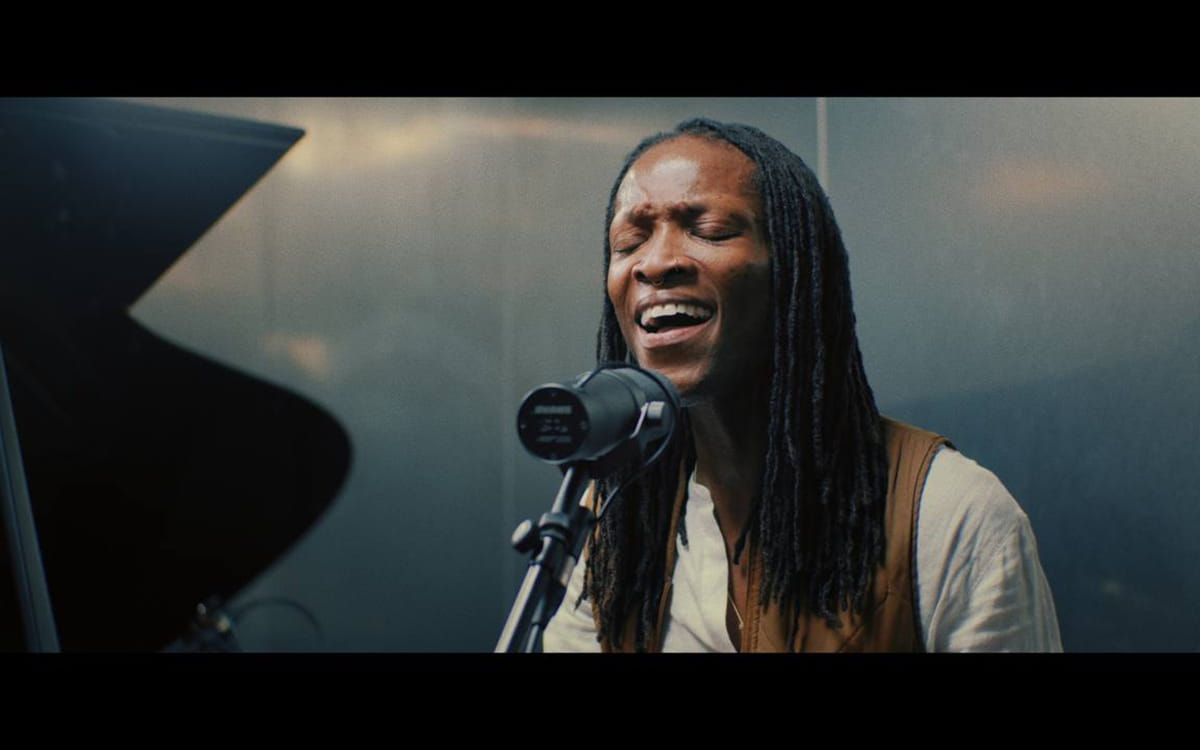
Radiant warmth from a well-matched duo
Published: 24 Feb 2025
Duration: 10:25

Poetry from the margins
Published: 24 Feb 2025
Duration: 13:13

Bringing sacred beats to life
Published: 24 Feb 2025
Duration: 03:48
Now Playing
Khun Narin's Electric Phin Band
06:14
Now Playing
Carsick Cars
11:22
Now Playing
N.Y.P.D. 南洋派對
10:32
Now Playing
Johnny O'Neal Quartet
15:10
Now Playing
Mary Sue and the Clementi Sound Appreciation Club
11:04
Now Playing
Vuyo Sotashe and Chris Pattishall
10:25
Now Playing
Shruti Veena Vishwanath
13:13
Now Playing
Alexandre Garnizé, Nyandra Fernandes and Syed Ahmad
03:48

Time taken : ~10mins

It’s a tired tale by now, repeated by cultural conservators and concerned government bodies: Traditions are dying! They must be preserved! While true, preservation can doom traditions to fossilisation, sterilised for curious tourists and bored students. Fortunately, that is not at all the story of morlam, the Thai folk music that emerged out of the Isan region in Northeastern Thailand. The genre is alive, thriving even, with strong presence in popular culture, indie music communities and world music circuits.
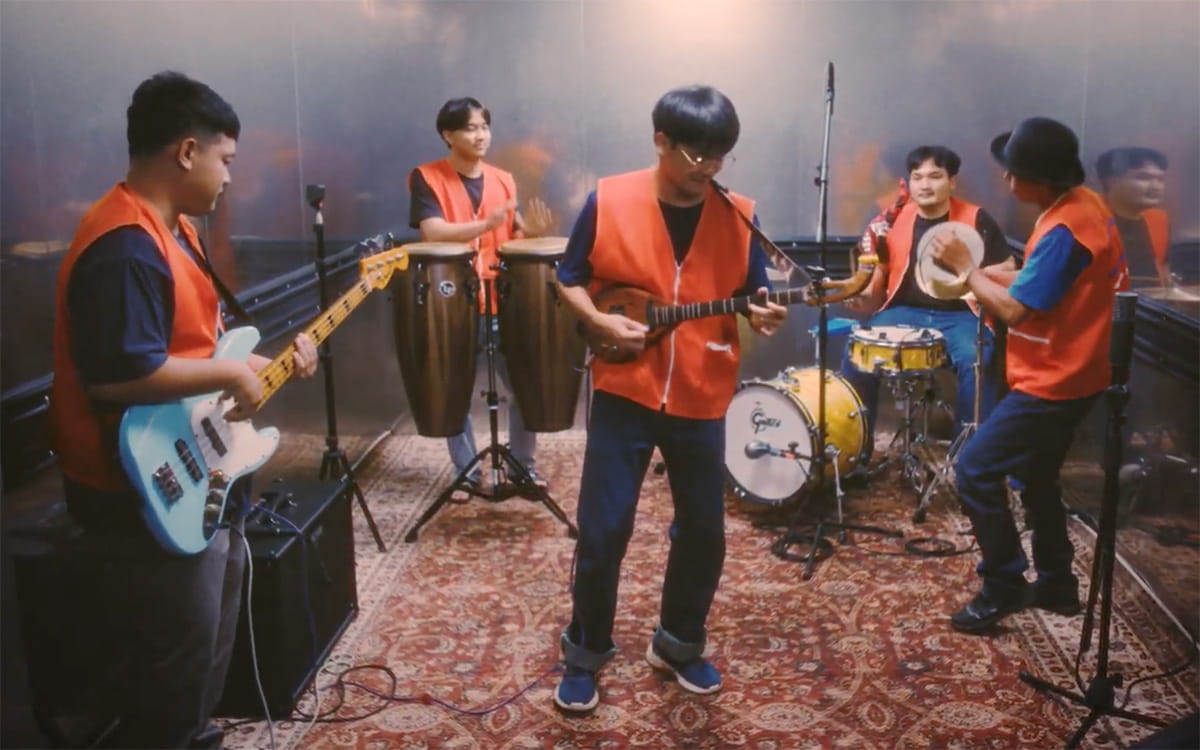
One such band contributing to its proliferation is Khun Narin’s Electric Phin band, a multi-generational group that comprises teens, adults and elders, such as Narin himself, who plays the cymbals. Like many other ensembles, the band has kept itself relevant by incorporating luk thung (Thai country music) and popular genres like rock and electronic music into their sound. Typically found performing in street jams and temple fairs in their hometown of Phetchabun province, the band has also graced stages across the US and Asia—including Indonesia’s Joyland Festival and of course, Singapore, for Crossing Borders in Sep 2025. Donned in their iconic orange vests and brimming with an infectious upbeat energy, the band lit up our cargo lift with their psychedelic sonic whirlwind, playing their unique interpretations of classic morlam tunes and melodies.
Audio recording & mixing: Tumbleweed Studios
Video: Lee Jing Wei
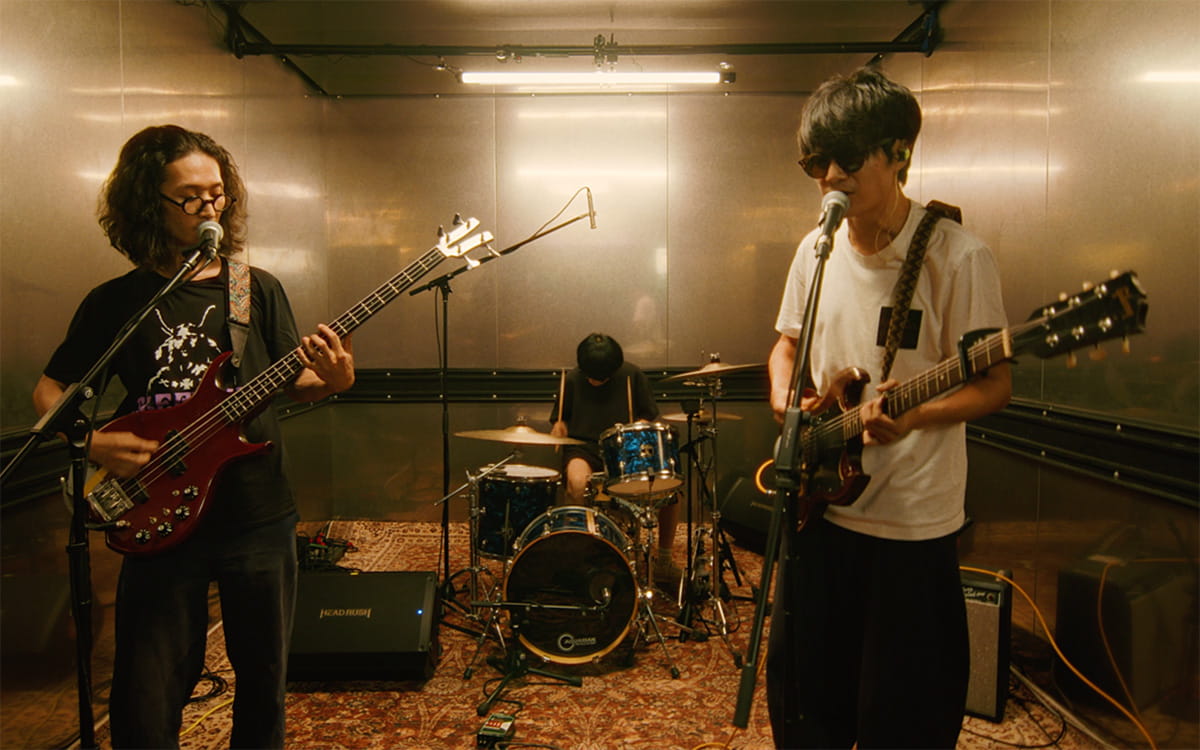
There are not many Asian bands than can say they’ve opened for Sonic Youth. Before shows like The Big Band《乐队的夏天》brought Chinese rock bands to the forefront of mainstream music culture, Carsick Cars were making waves of their own in the early 2000s. Formed in 2005, the band emerged out of Beijing’s underground music scene through releases via labels Maybe Mars and tenzenmen, going on to open for Sonic Youth in Prague and Vienna during their 2007 European tour, and performing at the SXSW music festival for three consecutive years (2010-2012).
They are veterans and it shows—now at a little more than 20 years old, the band is a well-oiled machine, even as their sound continues to evolve. While here for Baybeats 2025, the band showcased the breadth of their sound with songs from different eras: 2009’s You Can Listen, You Can Talk and 2024’s《松》(sōng).
Audio recording: Studio Novo
Audio mixing: 4th Wall Studios
Video: Lee Jing Wei
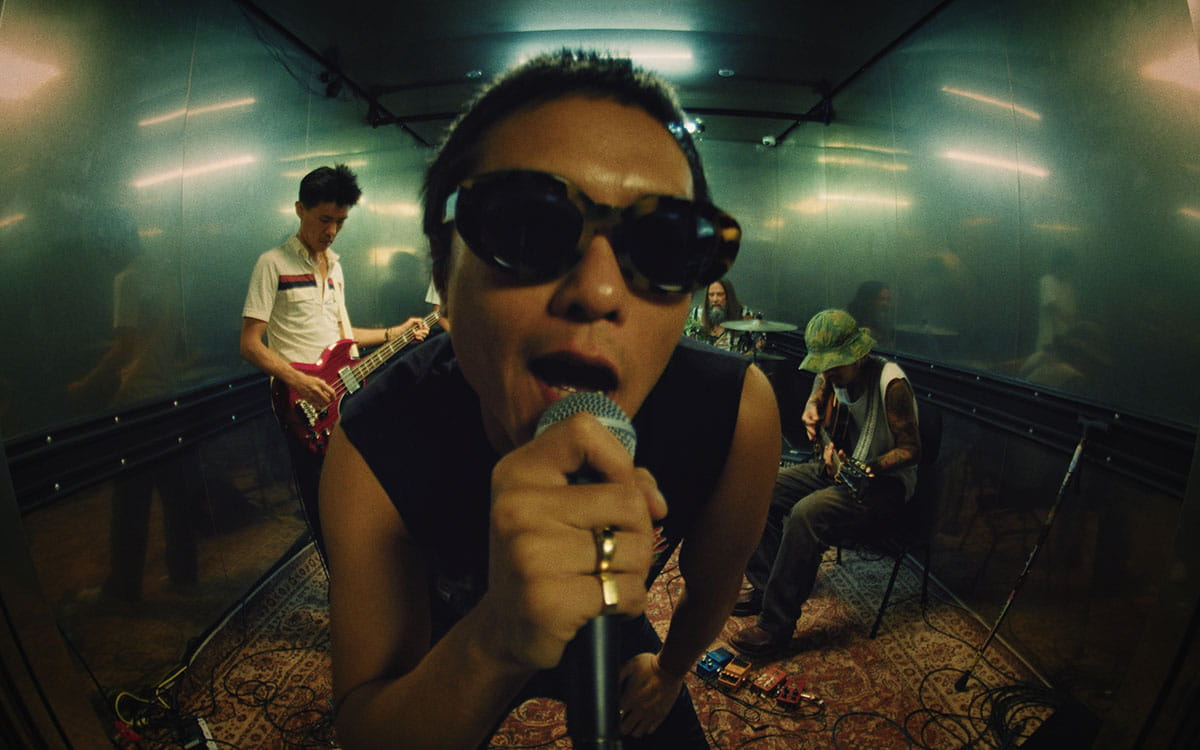
The five members of N.Y.P.D. 南洋派對 do not look like they belong to the same band. Lead singer Jon could have just walked off the set of a Wong Kar-Wai film. Bassist Chau’s uniform of choice is a proper collared polo tee, while drummer Paul would not look out of place with a ‘70s hair metal band.
But it works. Once the band starts playing, these aesthetic differences fade away. N.Y.P.D.’s music is loud, rowdy and unrelenting, filled with effect-laden guitar riffs and driving drum and bass lines, laser-like synths, and distorted vocals. From inane complaints about water dripping from air conditioners (or hair loss) to sharp, satirical commentary about the city’s social and political issues, their music is quintessentially, unapologetically Hong Kong. This infectious mix of psychedelic post-punk has helped the band skyrocket in popularity across Asia, including Singapore, where the band staged a high-octane performance for Baybeats 2025. They are just the latest addition to our ever-growing list of cool folks who have stepped into the lift, going absolutely ham with their hit song, Chicken Worm Dog Duck, and Piledriver of Love, a new song from their latest album released on 22 Feb 2026.
Audio recording: Studio Novo
Audio mixing: 4th Wall Studios
Video: Lee Jing Wei
What defines a legend? In musical communities such as jazz, it often points to once-in-a-generation virtuosos, groundbreaking composers, prolific bandleaders. People who move the needle through a combination of their artistry and their place and time in history. Then, there are those that are beloved in their communities, whom the public may be slower to acknowledge or bestow the title of “legend”. In millennial terms: only those who know, know.
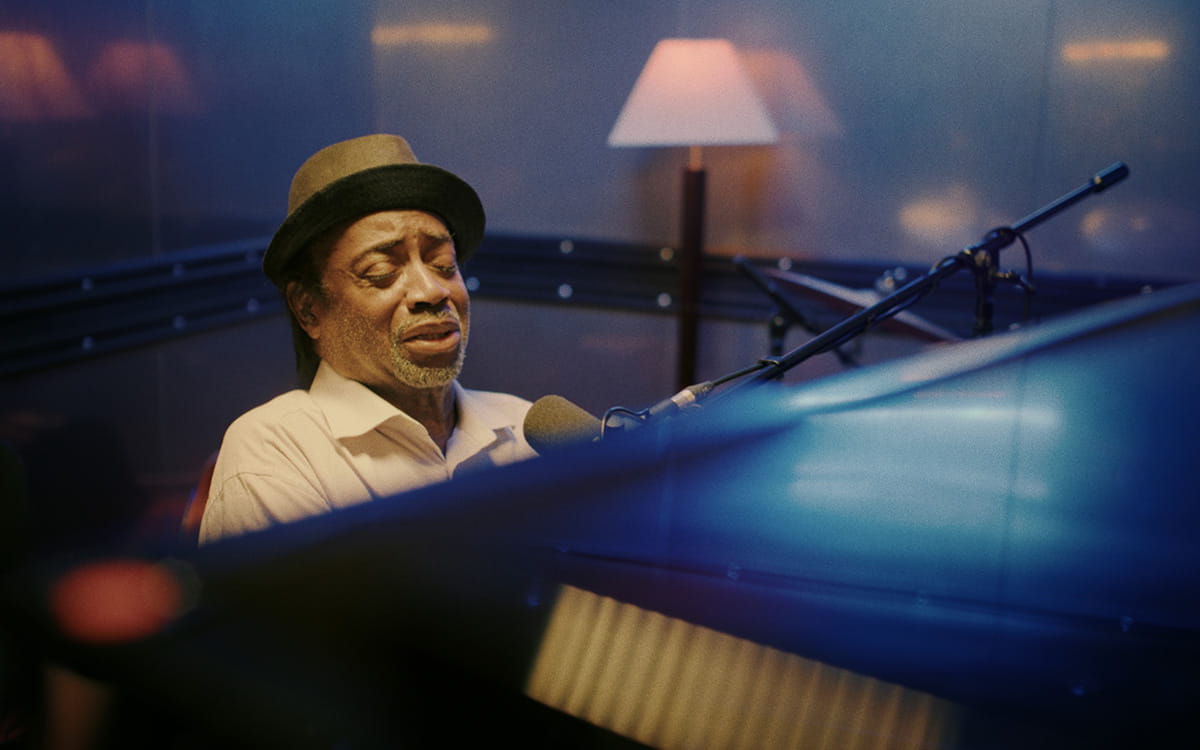
Johnny O’Neal certainly stands as such a figure. There is no questioning his virtuosity—when you watch him perform, it’s like he embodies jazz completely. He doesn’t swing, he is swing. Largely a self-taught musician, O’Neal’s talent wasn't born out of school. He did all his studying as “on the job” training, so to speak, actively performing in clubs when he was younger and being picked up by the likes of Oscar Peterson, Dizzy Gillespie and Art Blakey.
Now, 50 years later, O’Neal carries on this tradition of identifying and nurturing young talent. A fixture in the New York jazz scene, he still frequently hits the jazz clubs to perform with up-and-coming musicians, uplifting them in the same way he was in the early days of his career. He took some of this very talent with him to Singapore, namely guitarist Raphael Silverman, bassist Joey Ranieri and drummer Itay Morchi. The good-natured teasing and heckling were signs of how comfortable they were with the veteran—testament to the community and camaraderie that he has built, beyond his accolades and years. The quartet’s chemistry was reflected at their sold-out shows for Jazz in July, and Cargo Lift Sessions, where they brought a slice of New York city right into the cargo lift.
Audio: Andrew Lim
Video: Lee Jing Wei
Special thanks to Lotto Carpets Gallery for the loan of the carpet.
Hip hop has always been quite minimal...at least, when it comes to making music. When the genre first arose, all you really needed was a DJ and a turntable. Now, it's a laptop and a drum machine. Yet nothing can truly replicate the energy of live instrumentation and arrangements, which most artists understand and utilise to their benefit.
Rapper Mary Sue took it one step further by creating and recording an entire album with the band Clementi Sound Appreciation Club. Porcelain Shield, Paper Sword is a masterclass in collaboration, with the band’s soulful melodies and jazzy inflections perfectly matched by Mary Sue’s punchy boom bap flow. After successfully launching their album in a live show under Mosaic Music Series, we had the band reprise their magic again at Esplanade, this time in the cargo lift.
Audio: 4th Wall Studios
Video: Lee Jing Wei
Special thanks to Lotto Carpets Gallery for the loan of the carpet.
About the artists
A rapper and producer hailing from Singapore, Mary Sue started making and releasing music during the pandemic. His glitchy, sample-heavy sound paired with introspective lyrics has helped him develop a growing presence in the underground abstract hip hop scenes in the US, UK and Australia, as well as releasing music with London based hip-hop collective Higher Self. Mary Sue released his debut album KISSES OF LIFE in February 2022, which was critically praised and featured on multiple online music publications such as Bandcamp, NME, and HipHop-DX.
It's rare for a piano and vocal duo to be evenly matched. Often, the vocalist is at the forefront of attention while the pianist is treated as an accompaniment. New York jazz regulars Vuyo Sotashe and Chris Pattishall break this stereotype easily—pushing and pulling with practiced ease like dancers taking turns to lead. They absolutely enchanted a sold-out audience at Jazz in July 2025 in a single evening, which is unsurprising, considering Sotashe’s radiant warmth and enveloping voice, alongside Pattishall’s elegant and fluid expressions on the piano. They recreated this magic once more in this intimate Cargo Lift Sessions, performing two atypical cuts of jazz love songs that perfectly showcased their complementary artistry.
Audio: Andrew Lim
Video: Lee Jing Wei
Special thanks to Lotto Carpets Gallery for the loan of the carpet.
About the artists
Vuyo Sotashe is a New York-based South African jazz singer with a voice of exceptional quality—reminiscent of past legends yet unmistakably his own. Chris Pattishall complements Sotashe’s rich, expressive vocals with inventive harmonies and bold, genre-blurring improvisation. Together, they create music with hushed vulnerability—a quiet invocation of community in turbulent times. Their programme features music by Duke Ellington, Nina Simone, and more, offering a soulful, contemporary take on timeless sounds.
Since moving to the United States as a Fulbright Scholar, Vuyo Sotashe has performed with celebrated jazz legends including Wynton Marsalis, Dee Dee Bridgewater, Jimmy Heath, George Benson, Al Jarreau, Barry Harris, and Winard Harper. He has appeared at Montreux Jazz Festival, Monterey Jazz Festival, Cape Town International Jazz Festival, Newport Jazz Fest, and Joy of Jazz, and Arcevia Jazz Festival. Described by the Atlanta Journal-Constitution as "a bright tenor that can easily spring from sonorous depths to the full-bodied top of his impressive range", Sotashe made his off-Broadway debut in the Public Theater's production of Black Light.
Chris Pattishall has established himself as "an expert at using the jazz tradition as a jumping-off point for experimentation" (JazzTimes), and his debut album Zodiac was described as "a startling achievement" (The New York Times) and “a hell of a debut album” (Stereogum). He is a featured performer on a wide range of recordings, from the Grammy-nominated debut album of Jamison Ross to the film scores of Knives Out, Nightmare Alley, and the indie sensation Everything Everywhere All At Once. He co-composed the score to the Emmy-winning documentary Going To Mars: The Nikki Giovanni Project with Samora Pinderhughes.
In performance, being loud is easy. What's difficult is being soft without losing the audience, and above all, is the ability to move between these two dynamics easily—from boisterously expressive to quietly meditative. Vocalist and musician Shruthi Veena Vishwanath navigates these shifts without breaking a sweat. She has a voice made for belting, and yet her artistry truly shines in gentler moments, where she invites you into her world with her storytelling.
Perhaps this self-assuredness comes from how affirmed she is in her practice, which she describes as “rooted in community, feminism and decolonising of voice.” Stepping into the cargo lift while she was here for A Tapestry of Sacred Music 2025, Shruthi brought us the lyricism of 13th century poetess Janabai (said to be from a marginalised caste), set to her own original music with partial improvisations by her collaborators, Shruteendra Katagade (tabla) and Yuji Nakagawa (sarangi).
Special thanks to Lotto Carpets Gallery for the loan of the carpet.
Audio: Andrew Lim
Video: Made by Identity
A message from Shruthi Veena Vishwanath
Janabai’s poems are celebrations of spirituality, femininity and resistance. She was probably from a Dalit family—deeply marginalised by her caste and worked as a housemaid. In the first poem, or abhang, as they are traditionally called, she speaks about doing the hard chore of grinding grain, and sees her god Vitthal coming in softly into the kitchen to help her in her chores. “Body and soul have become the grain, all duality is crushed,” she says. “Vitthal hears my feelings.”
In the second abhang, she says: “I eat God, I drink God, I sleep on God, I give, take, trade with God. God is here, there, even void ain’t devoid of God. Vithabai, I am filled inside out!” It is this radical love that embodies the songs and poems of the bhakti era which began about a century before our time. It was a spirituality beyond patriarchal, caste-ist structures; a love for God that transcended boundaries.
About the artists
Shruthi Veena Vishwanath is a musician whose practice is rooted in community, feminism and the decolonisation of voice. Trained in classical music for two decades, she then spent a decade unschooling with mystic music practices—abhang, nirguni, vachana, Baul, Sufi and other forms—from across South Asia. Her work stems from the oral traditions of bhakti and Sufi passed down over centuries, and finding ways of reimagining and reclaiming voices hidden by hegemonies and histories. She has extensively researched and composed the women warikari poets of Maharashtra, as well as female poets from across South Asia. Shruthi has contextualised, curated and performed music for diverse audiences, from major festivals to world renowned universities to grassroots communities across the world. Through her community music initiative Music in the Machan, she reimagines music education and sharing that is deeply rooted in healing, shared context and honouring of grassroots communities.
Shruteendra Katagade is a tabla player and musician who brings the nuances of the Punjab gharana of tabla into ensembles, vocal music and storytelling. He is a senior student of Pt. Yogesh Samsi, one of the stalwarts of the tabla in India today.
Yuji Nakagawa is a sarangi player and musician who reimagines the sound of the sarangi across classical, orchestral and ensemble performances. He was the seniormost disciple of the late Pt. Dhruba Ghosh, a maestro of sarangi who was a pathbreaker in technique and understanding of the instrument.
Alexandre Garnizé is a musician, percussionist, historian and researcher. He was in Singapore with dancer Nyandra Fernandes for A Tapestry of Sacred Music 2025. These performances also featured local percussion group Bloco Singapura and its founder, Syed Ahmad, with whom Garnizé is a close collaborator and friend.
Giving us a taste of the vibrant beauty and power of the spiritual practices of the candomblé’, an Afro-Brazilian religion that originated in the 19th century, the three performers brought the rich street traditions of the Afro-Brazilian performance art of maracatu into our cargo lift, offering a flavour of the massive scale of Brazilian performances and street parades.
Audio: Andrew Lim
Video: Lee Jing Wei
A message from Alexandre Garnizé
This message was originally written in Portuguese. An English translation is available below.
No Festival Tapestry, em Singapura, vivemos um ritual de reencontro com o sagrado através da arte. Em cena, evocamos Exu senhor dos caminhos e do movimento, Ogum guardião das batalhas e Oyá a senhora dos ventos e das transformações. Ao lado da bailarina Nyandra Fernandes, do músico Syed Ahmed e do também músico e historiador Alexandre Garnizé, atravessamos fronteiras visíveis e invisíveis, misturando idiomas, tradições e sonoridades com respeito e escuta profunda.
Nesse encontro de corpos, tambores e histórias, sentimos novamente o poder da arte como linguagem espiritual. Não apenas um espetáculo, mas uma oferenda: à vida, aos ancestrais, ao presente. Cada passo, cada toque, cada sopro foi reza. O tambor, com sua batida primordial, lembrou-nos que somos continuidade que a arte é memória, ponte, cura e resistência.
Que essa vibração siga sustentando nossos passos. Que sigamos juntos, levando som e afeto onde houver silêncio e distância. Porque onde há arte, há reencontro. E onde há reencontro, há possibilidade de cura.
In April, at A Tapestry of Sacred Music, we experienced a ritual of reunion with the sacred through art. During Cargo Lift Sessions, we evoked Exu, the lord of paths and movement, Ogum, guardian of battles and Oyá, the lady of winds and transformations. With dancer Nyandra Fernandes, musician Syed Ahmed and myself, Alexandre Garnizé, we crossed visible and invisible borders—mixing languages, traditions and sounds with respect and deep listening.
In this meeting of bodies, drums and stories, I once again felt the power of art as a spiritual language—not just a spectacle, but an offering: to life, to the ancestors, to the present. Every step, every touch, every breath was prayer. The drum, with its primordial beat, reminded us that we are continuity, and that art is memory, bridge, healing, and resistance.
May this vibration continue to support our steps and may we continue together, bringing sound and affection wherever there is silence and distance. Because where there is art, there is reunion. And where there is reunion, there is the possibility of healing.