PopLore #7: The future of Singapore pop

PopLore #6: New wave, new sounds

PopLore #5: "Barbarous music of this kind"

PopLore #4: Singapore Indian pop transcends the music of Indian cinema

PopLore #3: Threads that tie Singapore Malay pop

PopLore #2: Chinese pop in Singapore and abroad

PopLore #1: Origin stories

PopLore: Stories of Singapore Pop
PopLore #5: "Barbarous music of this kind"
The rise and fall of Singapore’s 1960s band scene
PopLore#5: "Barbarous music of this kind"
The English-language pop scene in 1960s Singapore was a vibrant and diverse one, full of talented youths who sang their hearts out, pulled out all the stops to master their instruments of choice, and created beautiful songs of their very own.
But it wasn’t just those onstage who enabled this scene to flourish. Behind the scenes, supportive record label executives like the late Daisy Devan made a huge difference by believing and investing in homegrown talent and original material.
The context of the times was critical to pop’s development too. The heyday of British rock and roll and rhythm and blues happened when British military bases were still in Singapore. Bands that performed in these bases, and in the clubs frequented by British servicemen, absorbed these musical influences, and found an enthusiastic audience for their music.
As the bases vanished, Singapore’s economy pivoted in the 1970s to adapt to new circumstances. Policies related to rock music also changed. Hear Esplanade producer Christopher Rodrigo, who narrates this episode, read from a key 1973 speech by minister Goh Keng Swee that sheds some light on the thinking behind these policy changes.
“ It is barbarous music of this kind that is mainly responsible for attracting the mindless young of Singapore to the cult of permissiveness of the Western world. It is hardly a coincidence that the problem of drug addiction has become serious where performers and audience foregather. ”
– Goh Keng Swee, 1973
Could things have turned out differently if different choices had been made? Hindsight is always 20/20, and there were several other factors that made a sustainable career in music challenging, such as recording contracts that offered no real financial security.
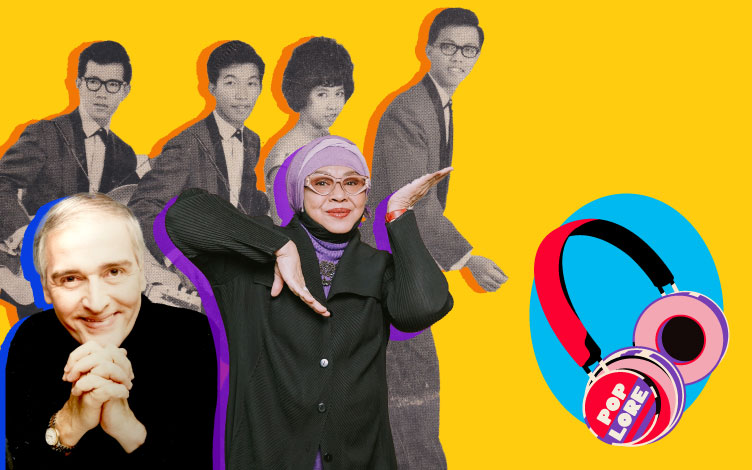
But what we know for sure is that memories of the vibrant 1960s music scene continued to inspire later music-makers, including singer-songwriter Dick Lee. In fact, his career kicked off with help from a member of The Quests, the most successful local band of that earlier golden age.
Hear Dick tell this story, and get more anecdotes about music icons such as the late Reggie Verghese in this episode, which features The Checkmates’ Lawrence Lee, The Straydogs’ James Tan, The Crescendos’ John Chee and Raymond Ho, Black Dog Bone’s Jatt Ali, veteran broadcaster Brian Richmond, and writer CT Lim.
PopLore: Stories of Singapore Pop, produced by Hong Xinyi and Dorothy Ding, is commissioned by Esplanade as part of PopLore: A Year of Singapore Popular Music in celebration of its 20th anniversary in 2022.
Catch Dick Lee & Omnitones featuring Third Degree live in concert in June 2022.
Have memorabilia from Golden Venus and other ’60s nightclubs? Share it as part of the upcoming Home Grooves exhibition on Singapore’s live music venues.
Further explore
Check out writer Joseph Pereira’s books about Singapore’s music scene in the 1960s and beyond
Read the oft-cited 1973 Goh Keng Swee speech about the influence of Western pop
Find out more about the ground-breaking career of EMI’s Daisy Devan
Song credits
Shanty
Artist: The Quests
Composer: Henry Chua
Usage of the song courtesy of Sony Music Publishing (Pte) Ltd and Universal Music Pte Ltd.
Katong Blues
Artist: Kiang Lim
Composer: Kiang Lim
Usage of the song courtesy of Kiang Lim
Flower Drum Song
Artist and Composer: Dick Lee
Publisher: Warner Chappell Music Singapore Pte Ltd
Usage of the song courtesy of Warner Chappell Music Singapore Pte Ltd and Dick Lee Asia
Pte Ltd.
About the narrator and artists


Listen to the music mentioned in this episode.