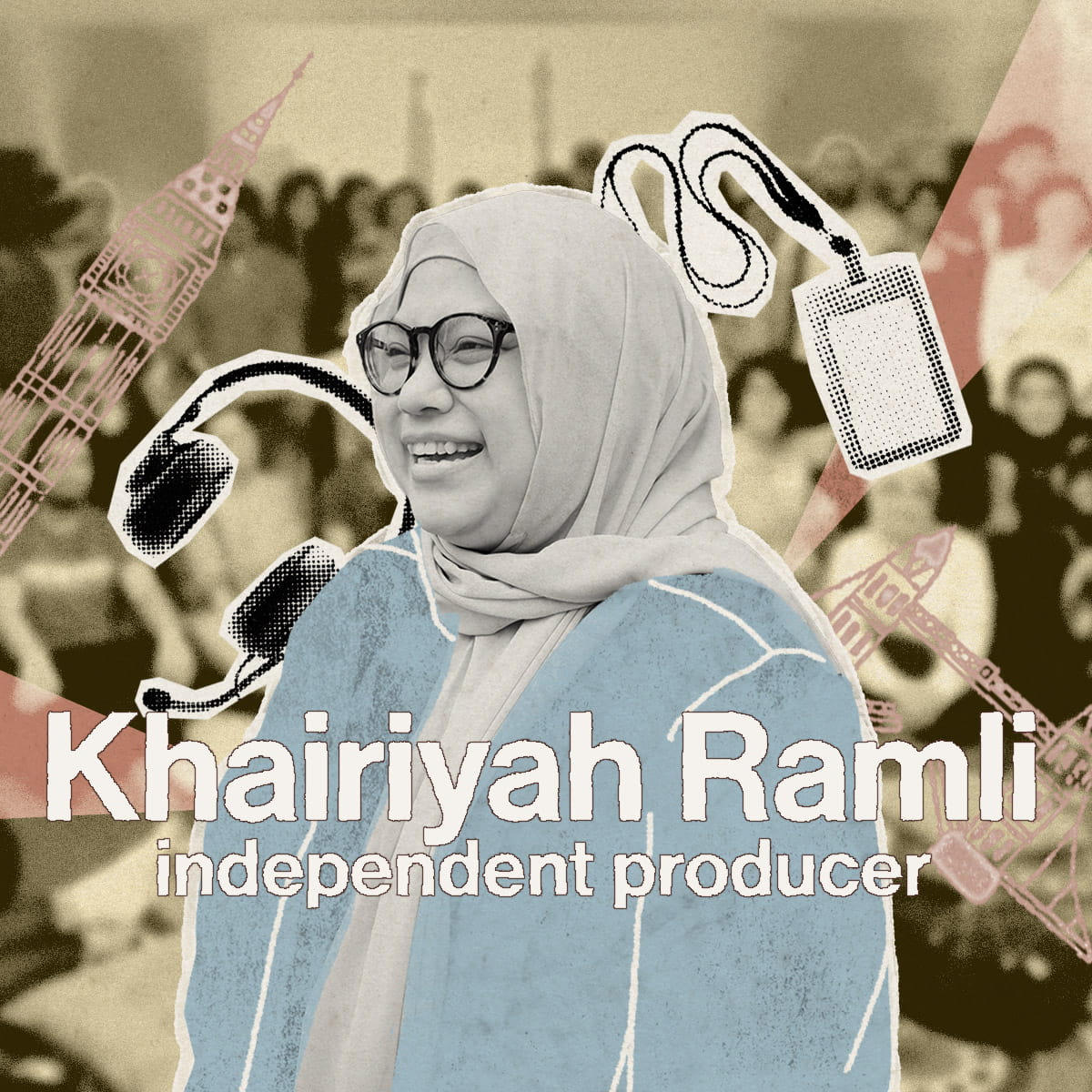
The independent producer who advocates for community

Published: 22 Dec 2025

By: Rydwan Anwar

Time taken : <5mins

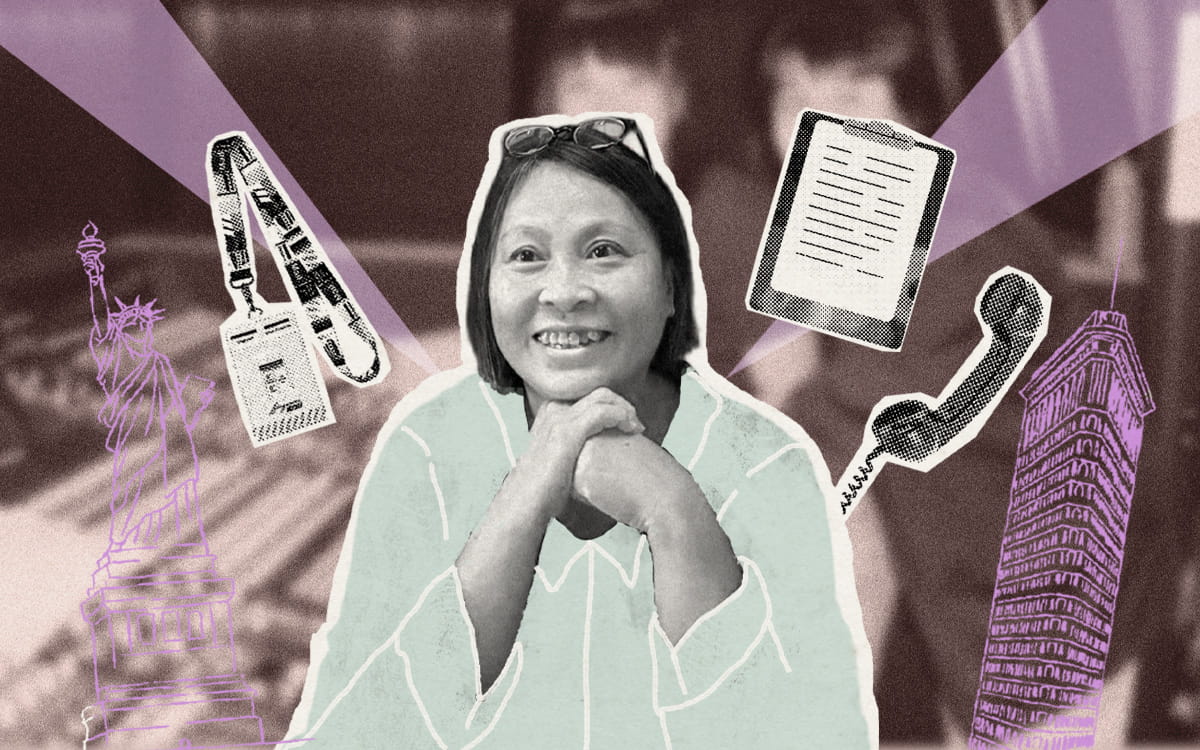
At the start of her journey, Nur Khairiyah Bte Ramli prepared a PowerPoint presentation complete with a budget breakdown to pitch for funding. But instead of a governing board, the pitch was to her parents, to show how she planned to pay off her education at an arts college instead of following a conventional route. She didn’t realise it then, but this early exercise in advocacy and financial planning would set her on track for a multifaceted arts career, leading her to become an independent producer in London, UK, and a manager of two British theatre companies.
At LASALLE College of the Arts, Khairiyah gravitated towards backstage work and discovered her interest in working with artists from minority communities. She began at The Necessary Stage and The Substation, where she helped emerging artists take creative risks, and continued this endeavour in 2016 while managing theatre collective Hatch. The group produced shows that spotlighted minority characters, including Johnny Jon Jon’s Hawa which she took to Brisbane Festival in Australia.
Wanting to develop the collective further, she moved to London to pursue an MA in Creative Producing. There, she founded Rumah, a virtual platform for Asian diaspora creatives, after recognising that there weren’t enough avenues for these artists to gather and collaborate. Her work was recognised with a nomination for Asian Woman of Achievement by NatWest.
After a stint with Complicité, one of the UK’s most established theatre companies, she has since produced award-winning shows and worked with many diverse companies.
Khairiyah shares about the productions she has toured in the UK and the importance of creating community.
I’m an independent producer and general manager for theatre companies Spymonkey and LUNG. As a producer, I support early- and mid-career artists in bringing their ideas to life. My manager role is more behind-the-scenes: looking after the business, drafting policies and making the team feel supported. I’m also on the board for Transform Festival, shaping its governance and championing their work with artists and communities.
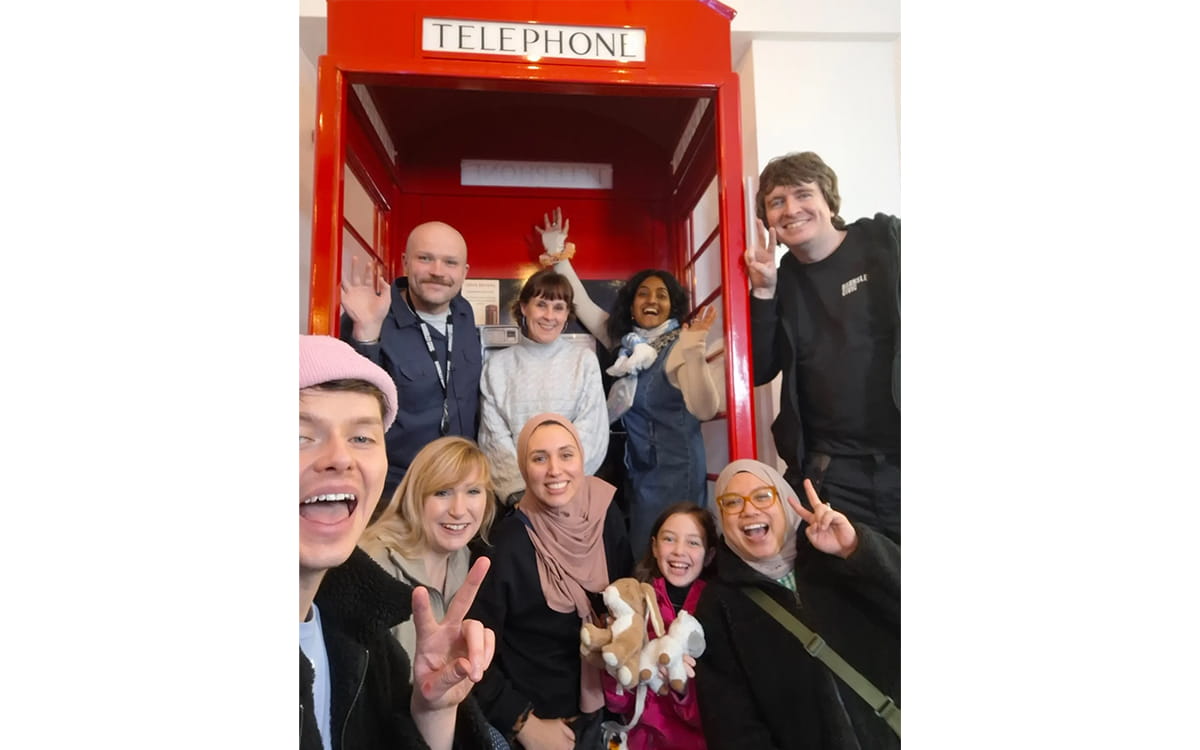
Khairiyah (bottom right) at the launch of LUNG's <em>Calling Barnsley</em> phone box installation at Barnsley Civic.
It’s the two- or three-day working culture. If I was contracted for two days a week, I’d fix those days and outside of that, no one expected anything from me. At first, I found it hard to switch off, two days never felt like enough to get everything done. But you quickly learn how to prioritise, and honestly, this kind of flexibility is huge for work-life balance especially in theatre, which is a 24/7 kind of job. Also people don’t eat a lot here. It’s the after-work pub culture. At lunch time they are obsessed with meal deals. And then at night they go to the pub. I miss our coffee shop culture, the maggi goreng and teh tarik after bump-out.
It was one of my most valuable experiences. Being in the same rehearsal room as actor and playwright Simon McBurney was really magical. It was intense, immersive but at the same time I felt very privileged. The rehearsal room felt like a laboratory, filled with notes, research, books, scripts, a full sound system, and of course, the iconic chair that’s always part of the rehearsal process.
To play, to explore, to experiment. Those three words guided everything. Seeing that in action taught me so much not just about devising or process, but about myself and the kind of producer I want to be: hands-on, present and fully in it.
I also worked on major projects: the international tour of Drive Your Plow Over the Bones of the Dead, based on Olga Tokarczuk’s prize-winning novel; a community screening of Fehinti Belogun’s climate-focused performance Can I Live?; and especially welcoming Little Amal to Dover, part of The Walk festival which shines a light on refugee stories—that moment was truly beautiful.
Patricia Gets Ready (for a date with the man that used to hit her) by Martha Watson Allpress, which premiered at Vault Festival. It was my first fringe festival in London, produced with no budget and a borrowed cube box from church. We were a team of Central [Royal Central School of Speech & Drama] grads from Acting, Producing and Directing, figuring it out together, and we worked on that show for a year.
We won Pleasance Theatre’s Charlie Hartill Award to bring it to Edinburgh Fringe Festival, amongst other accolades. The Stage gave it five stars, and theatre critic Lyn Gardner called it a standout show at the Fringe. We even got the playtext published by Nick Hern Books.
This was our first taste of real recognition. Most of the team have agents now. I’ll never forget how they gave me my flowers. I felt seen, valued and proud as a producer.
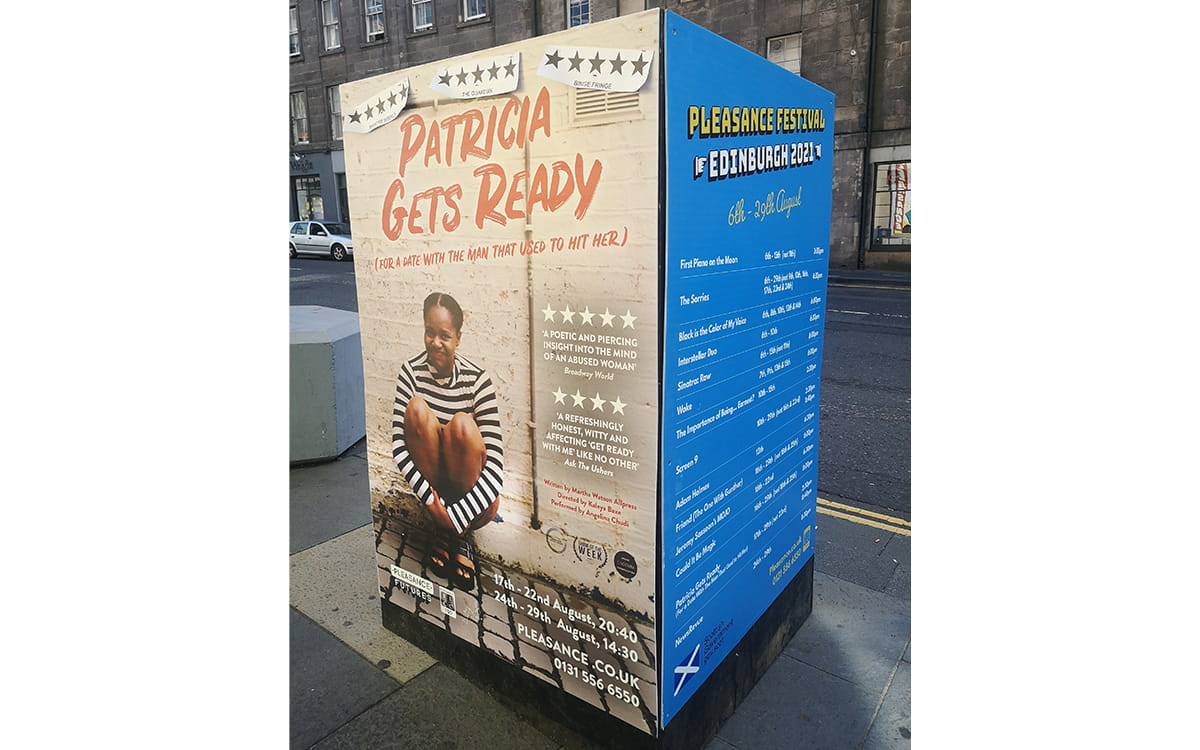
Poster of <em>Patricia Gets Ready (for a date with the man that used to hit her)</em> at Edinburgh Fringe Festival.
I saw a graffiti that said: “If the song doesn’t move your soul, change the song.” I thought yes, that’s it. There’s a lot of sacrifices, hard work and challenges; it’s not all fluff. Sometimes it ends in success but sometimes in heartbreak. You need to learn when to stop doing things that don’t nurture you anymore.
Community is important. Find your people, the ones who’ve got your back and will shout your name when chances come up.
You need to have faith and remember why you do what you do. That purpose is what fuels you. Yes, you’ll be missing out on milestones, birthdays, anniversaries, Hari Raya, family, and food. But you just have to cut through the noise at the end of the day. Remember you left for a reason. You’re still here for a reason.
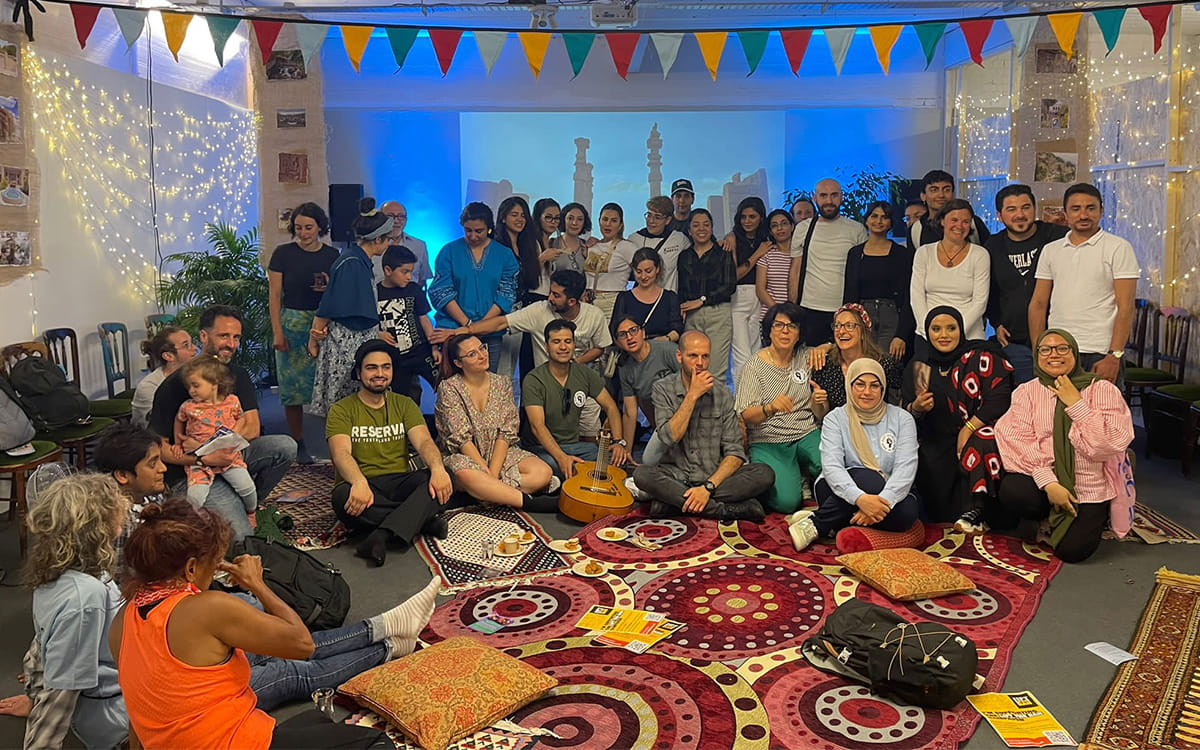
<em>A Persian Tea Party</em>, hosted by Khairiyah, at Migration Matters Festival 2023.
Contributed by:
Rydwan Anwar spent two decades programming theatre and festivals in Singapore. He is now based in Newcastle upon Tyne.