Re:moving with Love Ran

Re:moving
Re:moving with Love Ran
The South Korean ballroom icon on choreographing for K-pop
From exaggerated hand movements, to “duck walks” and “dips”, most of us have probably heard of or seen voguing on our social media feed at least once. Rooted in the subculture of the 90s ballroom scene from New York City, voguing quickly grew in popularity, spreading the joy of this dance form to many other parts of the world. South Korea is no stranger to this movement with a handful of kiki houses (ballroom houses for friendly, lighthearted competition) sprouting in recent years. We had the opportunity to touch base with one of the forerunners of Korea’s voguing scene to learn more about her craft and her journey as a dedicated dancer and mover.
“I’m Love Ran, a choreographer, dancer and House of Love’s Mother.”
Love Ran is a dancer-choreographer who started dancing only at the age of 21. Despite starting her journey later than most professional dancers, she quickly expanded her dance skill set in hip hop, popping, waacking and finally voguing. Due to the lack of instructors who could teach voguing back then, Love Ran decided to teach this genre to herself, diligently studying the form through YouTube videos. In spite of the many hardships in her personal life, she braved through them throughout her journey as a young dancer, emerging as the innovative and well-respected icon of the voguing scene today.
Transcending just the ballroom scene itself, Ran has also shed light on voguing, having choreographed for various Korean Pop idols such as Chungha, Weki Meki and Kwon Eunbi. Through these works, she proves how versatile, adaptable and creative she is, striking a balance between voguing elements and the needs of a K-pop performance.

"Maybe it’s because of love."
What started out as just a group of Ran’s students, whom she had performed with previously, became South Korea’s largest kiki house today. Fondly known as the House of Love, this kiki house comprises 27 members, including Love Ran as the matriarch, or Mother, herself. The members, also referred to as Children, have formed an inseparable bond over their sheer love for voguing, even continuing the age-old tradition of residing in a shared household. These dancers continue to spearhead the growth of the voguing scene and even went on to organise Korea’s first ever ball, the Mangwon Ball.
What were some challenges you faced when you first started dancing or when you first started the House of Love?

An even more unique and fun twist
Voguing itself has evolved from its early days—from the Old Way, characterised by poses, angles and straight lines, to the more commonly practised New Way, which focuses on catwalks, duckwalks, spins, dips and more theatrical hand movements. Ran injects her own flavour into an already-unique dance form by melting together the vocabulary of the various genres she trained in previously. Influenced by her background in hip hop, popping and waacking, her dance language displays distinct choices she makes in her movements, deliberately breaking away from voguing only techniques.
Could you talk us through your creative process when choreographing a piece?
What are the main themes, intentions or message behind your works?
Sometimes, my works aim to highlight the strengths of the artist (dancer) and other times, it helps to show another side of them. I try to express my work artistically while still being palatable to the general public.
Having choreographed for K-pop groups and idols before, do you think we will be seeing more voguing and ballroom dance styles in mainstream media?
In Korea right now, there is more attention on dancers and the dance scene than ever before. In the near future, I think that voguing will become more well-known to the general public.
What does a normal day look like for you and where do you see yourself in 10 years?
A normal day for me is going to the practice room, teaching classes, coming home and taking a rest. I think in 10 years, I'll still be in the practice room and at dance venues.
What keeps you hopeful? What keeps you moving?
There are many things that keep me hopeful—family, the weather, music, nature, and sometimes even my dancing gives me hope.
Tell us what your next work or creative project is about.
The plans for my next project are not yet concrete. I am usually quite spontaneous, and I just do what comes to mind. But I definitely want to embark on more fun projects next year and try out different styles.
How are you rethinking your practice as a dancer-choreographer, whether in big or small ways?
“ I believe, just like any dancer-choreographer, my practice varies from time to time. It’s difficult to dance for a long period of time. So, I would just say that the important thing is making sure I do not lose interest in dance. ”
One sentence to sum up your life/practice right now.
I'm in the process of finding out what I want to be.
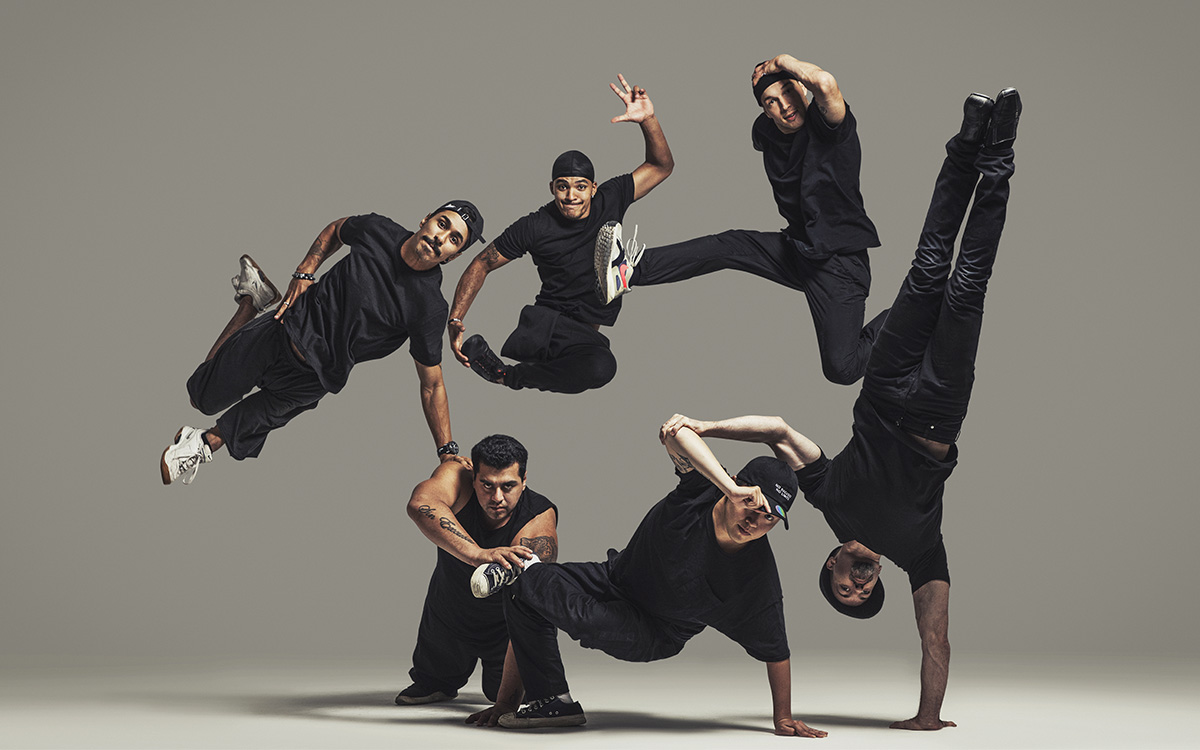
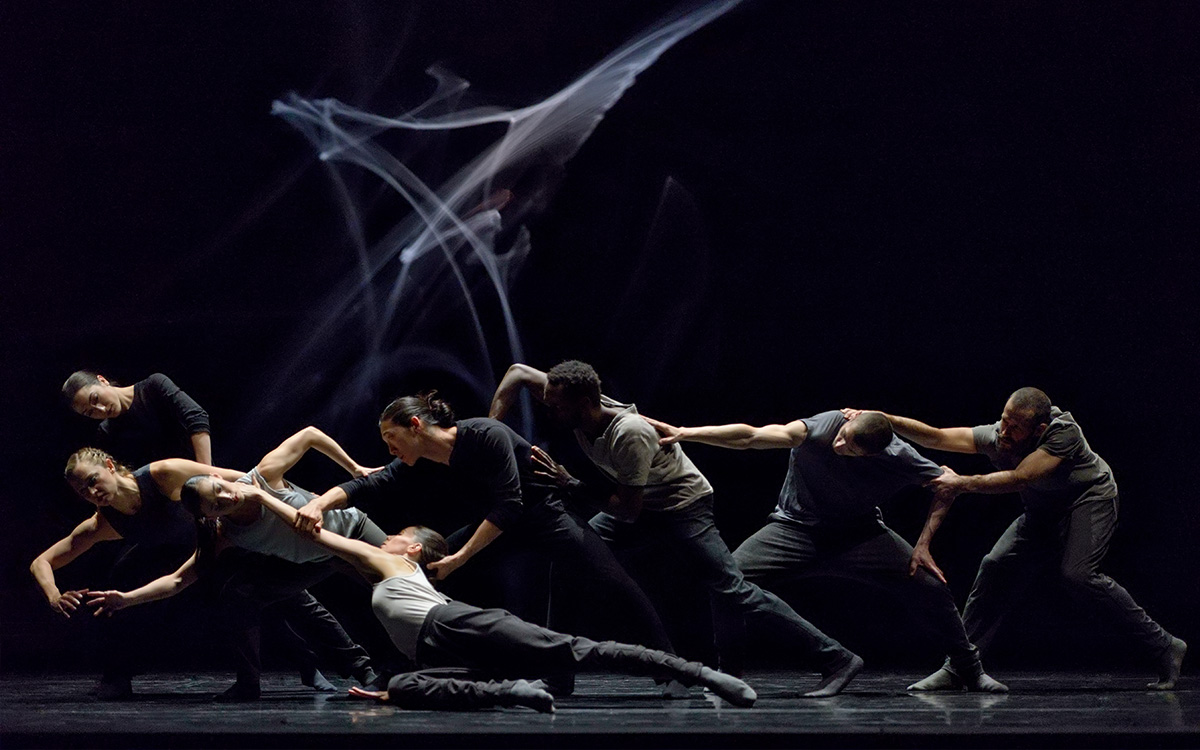
House of Love and three other trailblazing dance crews—The Royal Family (New Zealand), ILL-Abilities and Local Remix (Singapore)—performed at FULL OUT! 2023 on 1 & 2 Dec 2023 at Esplanade Theatre.