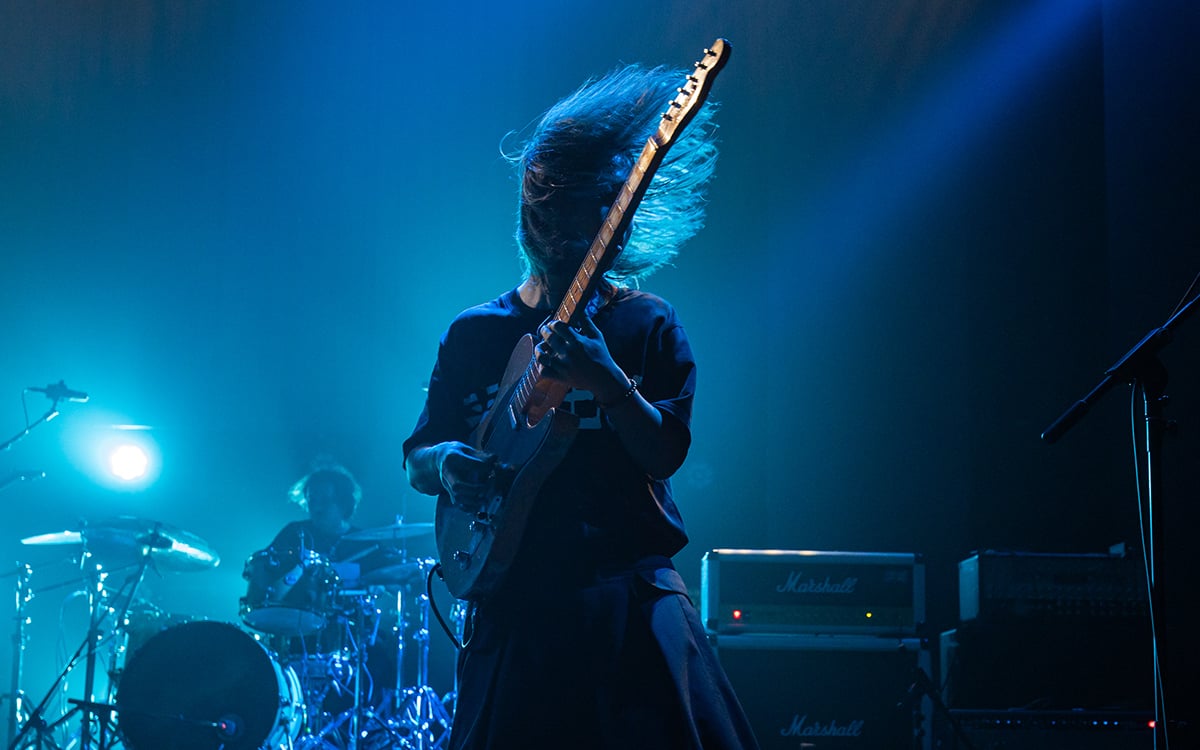

Carsick Cars

Vuyo Sotashe and Chris Pattishall

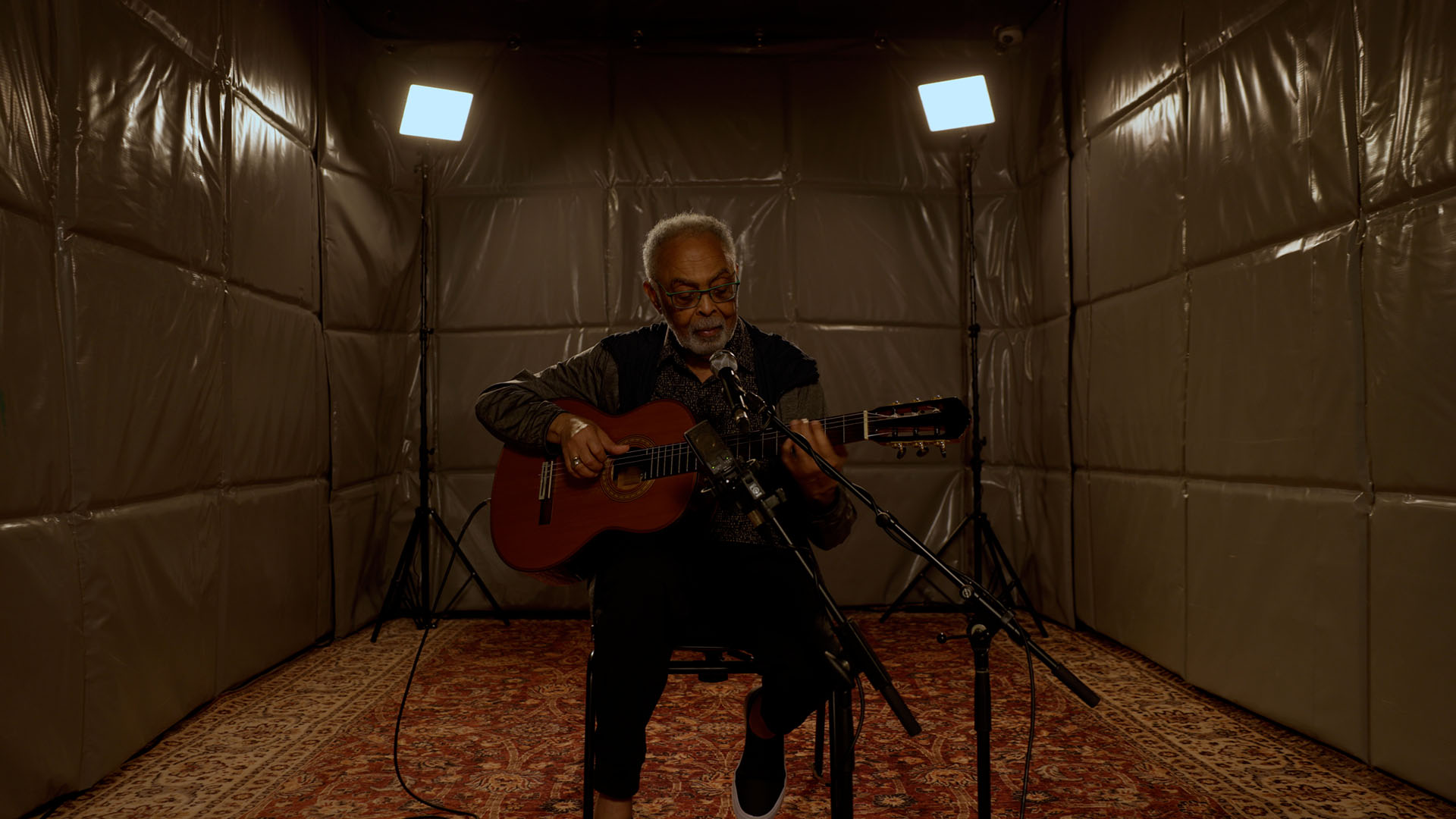
Alexandre Garnizé, Nyandra Fernandes and Syed Ahmad

Mary Sue and the Clementi Sound Appreciation Club

Johnny O'Neal Quartet

N.Y.P.D. 南洋派對

Khun Narin's Electric Phin Band

Shruthi Veena Vishwanath

Cargo Lift Sessions
Shruthi Veena Vishwanath
Poetry from the margins
Shruti Veena Vishwanath
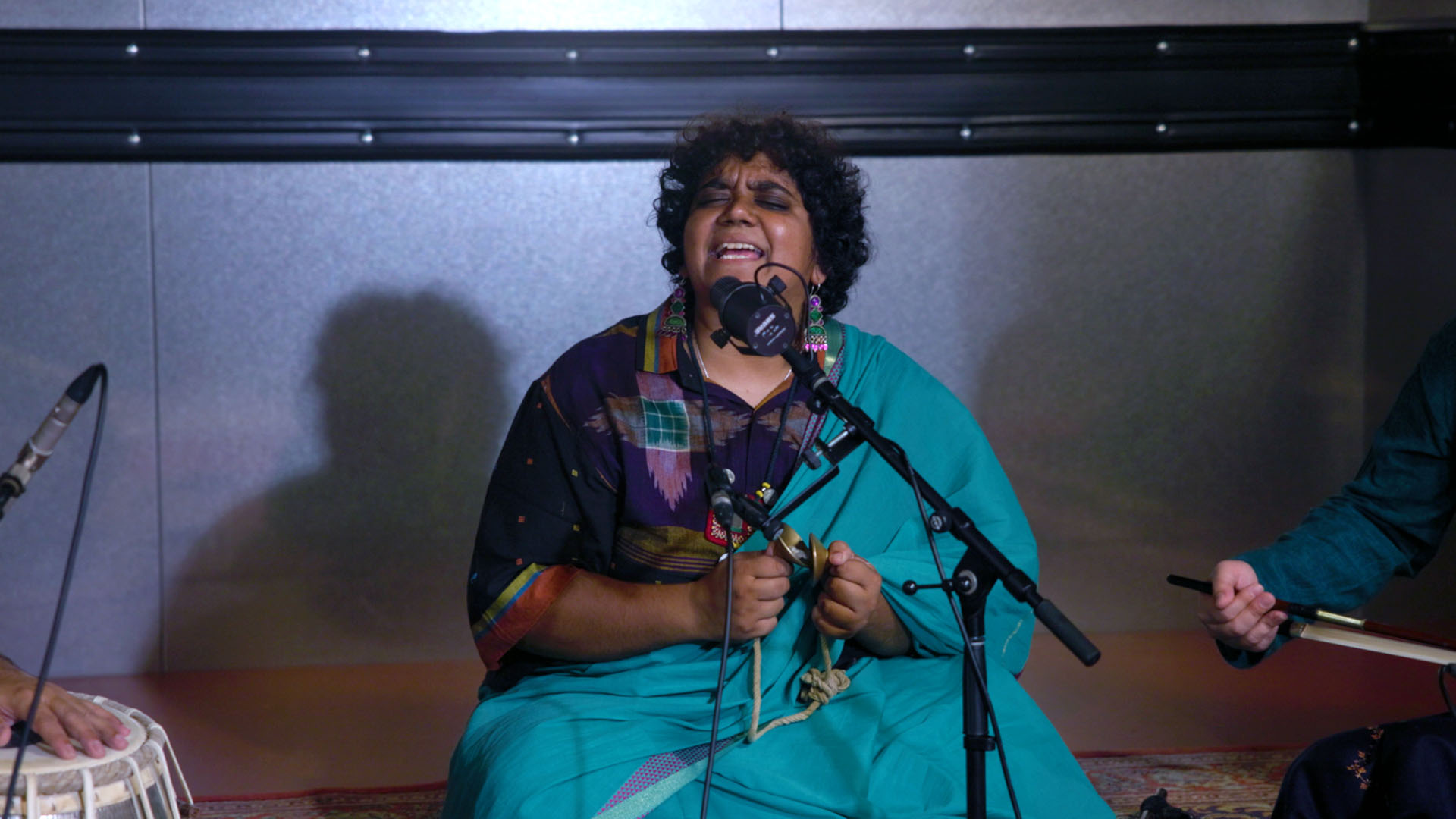
In performance, being loud is easy. What's difficult is being soft without losing the audience, and above all, is the ability to move between these two dynamics easily—from boisterously expressive to quietly meditative. Vocalist and musician Shruthi Veena Vishwanath navigates these shifts without breaking a sweat. She has a voice made for belting, and yet her artistry truly shines in gentler moments, where she invites you into her world with her storytelling.
Perhaps this self-assuredness comes from how affirmed she is in her practice, which she describes as “rooted in community, feminism and decolonising of voice.” Stepping into the cargo lift while she was here for A Tapestry of Sacred Music 2025, Shruthi brought us the lyricism of 13th century poetess Janabai (said to be from a marginalised caste), set to her own original music with partial improvisations by her collaborators, Shruteendra Katagade (tabla) and Yuji Nakagawa (sarangi).
Special thanks to Lotto Carpets Gallery for the loan of the carpet.
Audio: Andrew Lim
Video: Made by Identity
A message from Shruti Veena Vishwanath
Janabai’s poems are celebrations of spirituality, femininity and resistance. She was probably from a Dalit family—deeply marginalised by her caste and worked as a housemaid. In the first poem, or abhang, as they are traditionally called, she speaks about doing the hard chore of grinding grain, and sees her God Vitthal coming in softly into the kitchen to help her in her chores. “Body and soul have become the grain, all duality is crushed,” she says. “Vitthal hears my feelings,” she says.
In the second abhang she says “I eat God, I drink God, I sleep on God, I give, take, trade with God. God is here, there, even void ain’t devoid of God. Vithabai, I am filled inside out!” It is this radical love that embodies the songs and poems of the bhakti era that began about a century before our time. It was a spirituality beyond patriarchal, caste-ist structures: a love for God that transcended boundaries.