
The Art of Chant: Quranic Recitation
Synopsis
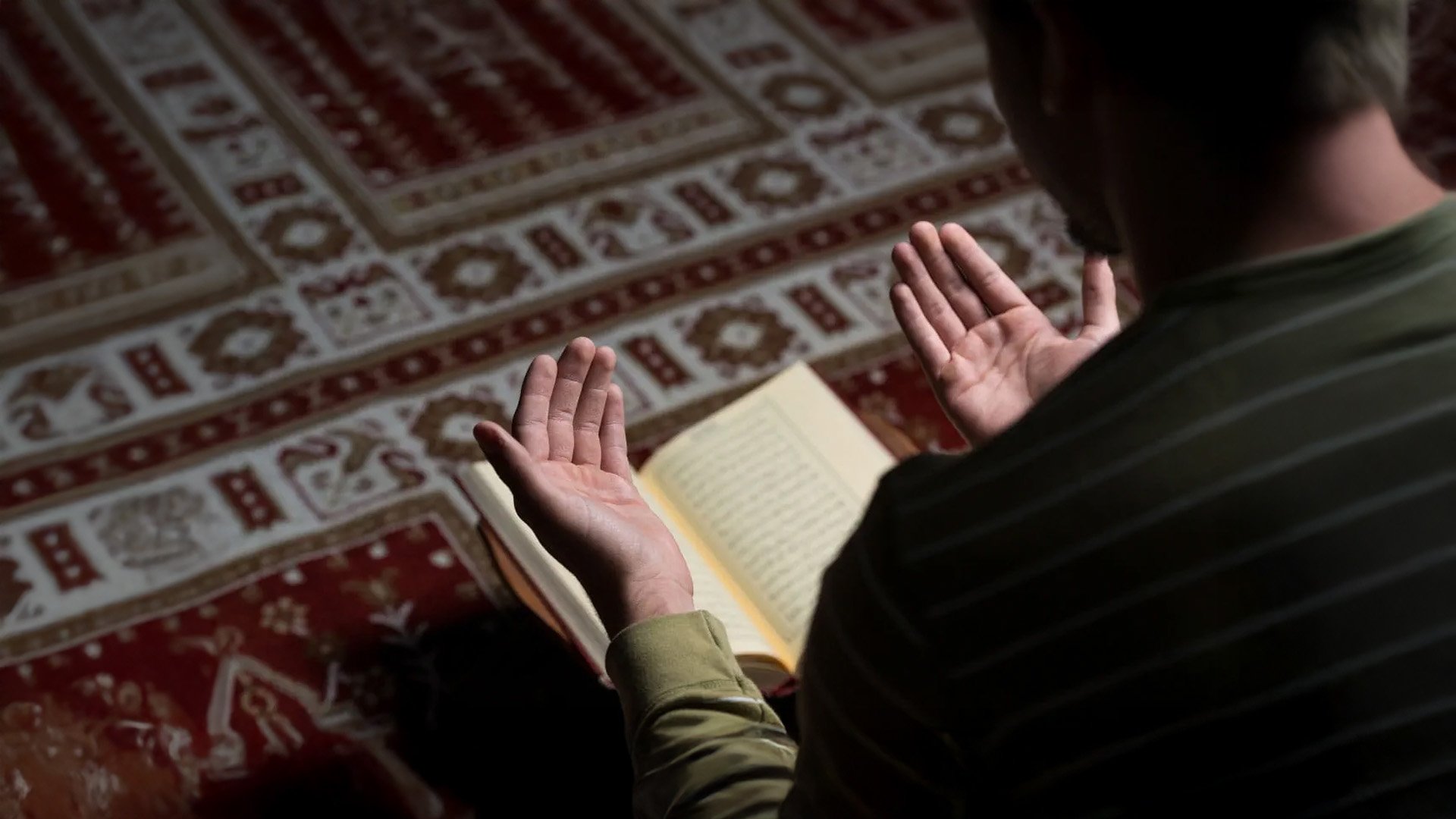
Witness the harmony of sound and spirit, where scripture becomes living revelation through oral traditions faithfully preserved for over 14 centuries. Here, the Quran lives not on the page but in resonance, and where you get close to the intimate, exalted expressions of the human voice as it channels the divine.
In this masterful demonstration of tajwid (the knowledge and application of the rules of recitation) and maqam (the tonal modes that infuse emotional depth), Ustaz Muhammad Sadid Abdul Latif reveals the sublime beauty of this sacred art form.
The sacred art of Quranic recitation
Central to Islamic worship and devotion is the memorisation and recitation of the Quran, done through melodic reading of the text. More than mere singing, there exist codified systems by which pronunciation and rhythmic cadence of every syllable are governed.
Seven recognised lineages or recitation styles, known as qira’at, trace their origins to prominent reciter-scholars of the 2nd and 3rd centuries after the revelation of the Quran. These reciter-scholars came from the holy cities of Mecca and Medina, Damascus in Syria, as well as Kufa and Basra in modern-day Iraq. Each of the seven lineages reflects the dialect variations that existed among Arabic speakers of the time.
Musical nodes of emotion
In addition to the rules that ensure fidelity of recitation, emotion and beauty are woven into the vocal delivery of the sacred texts, through the usage of different musical modes known as maqam. These nodes, heard throughout Middle Eastern music, gives the music of the region its distinctive character. In Quranic recitation, however, the use of maqamis more specific, guided by spiritual intent. Each mode is chosen to evoke particular states of emotion such as introspection, humility, steadfastness, or compassion, selected to align with the emotional content of the text.
Mastery of recitation for transcendence
Religious scholars formalised the rules of recitation under the discipline of tajwid, standardising intonation, phonetics and punctuation. As Islam spread to more non-Arabic speakers, these rules became increasingly important as clear guidelines for preserving the recitation of Quranic texts the way that the Prophet Muhammad was said to have pronounced it.
Mastery of tajwid is expected of at least one member in every Islamic community, though it remains a personal obligation for all believers to practise it. Beyond itsrules and obligation, the recitation of the Quran is an art of spiritual refinement—a discipline that, in its aesthetics, cultivates a profound sense of spirituality and transcendence.
Date & Time
Our Sponsors

 Explore Offstage
More to Explore



More to Explore
Frequently Asked Questions
 View All
Frequently Asked Questions
When a show is cancelled, ticket buyers will be duly notified by the event organiser primarily via email. You may also be notified through the event organiser's authorised ticketing agent, media or any other applicable communication channels. Information will be provided on where and when you can get your refund. For postponed performances for which the date of the new performance is known, refunds are optional.
For free programmes, any cancellations or postponements will be updated on the event website and/or relevant official communication channels. As no tickets are issued, refunds do not apply.