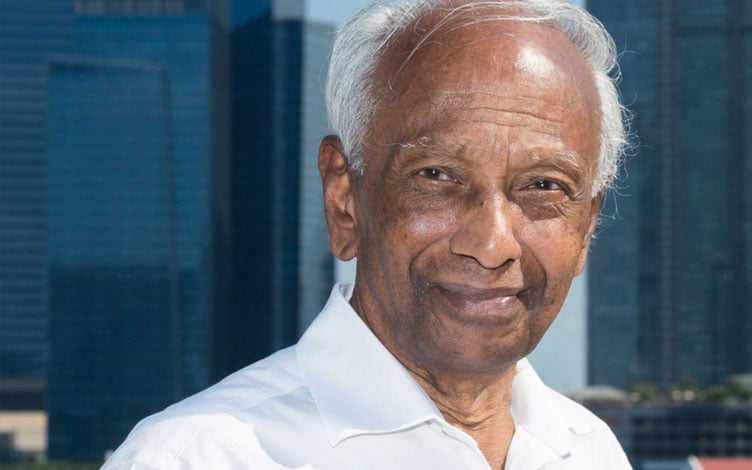
Rama Kannabiran

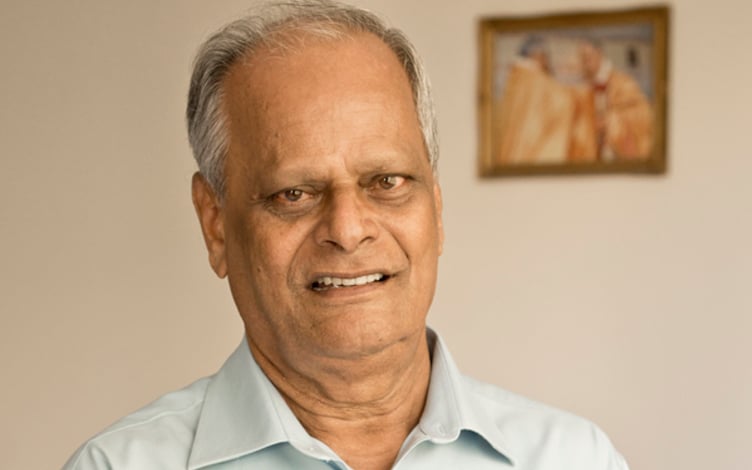
P. Krishnan (Puthumaithasan)

K T M Iqbal

M. Balakrishnan (Ma Ilangkannan)

Muhammad Ariff Ahmad

J.M. Sali

Suratman Markasan

Hedwig Anuar

Suchen Christine Lim

Yeng Pway Ngon

Wong Yoon Wah

Wong Meng Voon

Tham Yew Chin (You Jin)

Pan Cheng Lui

Neo Choon Hong

Lim Hung Chang

Li Lienfung

Fang Xiu

Cheong Weng Yat (Zhang Hui)

Djamal Tukimin

Abdul Ghani Hamid

Chew Kok Chang

Ho Minfong

Goh Poh Seng

Edwin Thumboo

Kirpal Singh

Lim Thean Soo

Goh Mey Teck

Ismail Haji Omar

Masuri Salikun (Masuri S. N.)

Meira Chand

Lee Tzu Pheng

Catherine Lim

Arthur Yap

TributeSG
Ho Minfong
Singapore author of Sing to the Dawn.
“Although I write in English, my first language
was Chinese. Because my parents are from
China, they praised me, scolded me, told me
long bedtime stories, and recited poetry to
me all in Chinese. No wonder, then, that I
think of Chinese as the language of my heart.
As I grew older, I absorbed Thai from
interacting with people in the busy streets
and marketplaces and temple fairs of
Bangkok. Thai for me is a functional
language, and I think of it as the language
of my hands. Only much later did I team
English from strict teachers in school, and so
I think of English as the language of my head.”
Ho Minfong, born in 1951 in Myanmar, raised in Thailand and based in USA, is a well-known Singapore children’s author. Among her most famous novels is Sing to the Dawn which has been translated into various languages, used as a school text, staged as a musical for the 1996 Singapore Arts Festival, and adapted into an animated film. She has won numerous local and international awards including the 1997 Cultural Medallion and American Library Association's Caldecott Honour Award. Her stories—set in Southeast Asian countries such as Cambodia and Thailand—feature young female protagonists overcoming the trials of poverty, discrimination, injustice and war to face life with optimism and strength.
Ho Minfong was born in 1951 in Yangon, Myanmar to Chinese-Singaporean parents. Her father, the late Ho Rih Hwa, was an economist, ambassador and businessman, and her China-born mother, the late Li Lienfung, was a chemist, businesswoman, columnist, playwright and bilingual writer. As her parents’ business dealings and father’s diplomat postings were largely overseas, the Ho family lived abroad for most of Ho’s growing up years.
Shortly after her birth, Ho’s parents relocated to Bangkok, Thailand, to expand their family’s business there. Ho spent her childhood growing up on the outskirts of Bangkok in “an airy house next to a fishpond and a big garden, with rice fields, where water buffalo wallowed in mudholes, on the other side of the palm trees”. Ho became proficient in three languages as a result of her heritage and upbringing. She grew up speaking Mandarin at home, learnt to speak Thai from her everyday interaction with locals in Bangkok and, later on, learnt English in school. She was educated in Thailand and subsequently enrolled at Tunghai University in Taiwan before transferring to Cornell University in New York, USA.
While studying at Cornell University in the early ’70s, where she later received her BA in Economics and History as well as her M.F.A. in Creative Writing, Ho began to write. Stricken with homesickness, she started writing about the things she missed. Her first book, Sing to the Dawn, set in Thailand, was born from these early writings. Written as a short story in 1972 and submitted to the Council of Interracial Books for Children (New York)’s annual short story contest, Sing to the Dawn won the first prize. Encouraged, Ho later expanded it into a full-length novel that was published in 1975. Sing to the Dawn would become a literature text for secondary school students in Singapore, and was translated into various languages including Chinese, Thai, Korean, Tagalog and French, was successfully staged as a musical by Singapore composer Dick Lee for the 1996 Singapore Arts Festival. In 2008, Sing to the Dawn made it to the big screen and was released as a full-length animated movie.
After graduating from Cornell University in 1973, Ho rejoined her family in Singapore who had relocated there after many years abroad in the early ’70s. She found work as a journalist at The Straits Times, and then moved to Thailand in 1975 where she worked as an English lecturer at Chiang Mai University. There, she became involved in a student movement to alleviate rural poverty. In 1976, after witnessing the massacre of student protestors by the Thai military, she returned to the USA where she married former Cornell University schoolmate John Dennis, and subsequently pursued a Master’s degree in Creative Writing at Cornell Universisty while teaching there from 1978 to 1980. Four years later, affected by reports of the sufferings of survivors of the Khmer Rouge genocide in Cambodia, Ho returned to Southeast Asia to work as an international aid worker along the Thai-Cambodian border in 1980.
In 1983, Ho, who had written a few short stories in the decade after Sing to the Dawn, returned to writing seriously and moved back to Singapore, becoming the first Writer-in Residence at the National University of Singapore. She would hold this position for seven years. During this period, she created several works and had her first child. Her first novel upon her return, Rice Without Rain, inspired by the socio-political tumult she had experienced years ago in Thailand, was published in 1986 and won several awards including the 1988 National Book Development Council of Singapore Book Award for Fiction, the 1990 Parents' Choice Award (USA) and the American Library Association (ALA) Booklist Editor's Choice.
Other works that followed include Tanjong Rhu and Other Stories (1986); Maples in the Mist: Children’s Poems from the Tang Dynasty (1996), a collection of classical Chinese poems for children which she compiled and translated; novels for older children The Clay Marble (1991), Gathering the Dew (later renamed The Stone Goddess) (2003), and The Green Armchair (2004); children’s picture books of Cambodian folktales The Two Brothers (1995) and Brother Rabbit: A Cambodian Tale (1997), co-written with Saphan Ros; and children’s picture books of Thai stories, Hush! A Thai Lullaby (1996), and Peek! A Thai Hide-and-Seek (2004). Ho would go on to receive many awards including the 1996 Southeast Asian Writers Award and the 1997 American Library Association's Caldecott Honour Award for Hush!. In 1997, Ho received the Cultural Medallion for her contributions to literature in Singapore.
Ho’s works draw largely from the places of her childhood. Written for children and young adults, her stories are set against vividly depicted rural and urban backdrops of Southeast Asian countries such as Cambodia and Thailand, growing out of her own experiences of both countries’ tumultuous histories in the ’70s. They feature young female protagonists overcoming almost insurmountable odds, poverty, injustice, indiscrimination, the loss of loved ones, and war to discover their inner strength through family unity. She also drew inspiration later from her experiences as a mother—Hush! (1996) is a playful lullaby for pre-schoolers, and Brother Rabbit (1997) is a Cambodian rabbit folktale-fable. By 2003, when her children were in their teens, Ho had returned to dramatizing political and humanitarian issues in Southeast Asia for older children with Gathering the Dew (later renamed The Stone Goddess) about the horrors of the Pol Pot regime in Cambodia.
In recent years, Ho’s short stories have been included in numerous anthologies and her works have gone through reprints. Currently residing in Ithaca, New York, with her family, Ho continues to write and divide her time between her family in Asia, Switzerland and the USA.
Timeline
7 Jan 1951
Born in Rangoon, Myanmar.
1952
Moved to Bangkok, Thailand with family.
1968 to 1969
Attended Tunghai University, Taiwan.
1973
Graduated from Cornell University, New York, USA with Bachelor’s degree in Economics.
1974
Journalist, The Straits Times, Singapore.
1975
Published Sing to the Dawn.
Received 1st prize award from Council of Interracial Books for Children, New York for Sing to the Dawn.
1975 to 1976
English lecturer, Chiang Mai University, Thailand.
1977 to 1980
English literature teaching assistant, Cornell University, New York, USA.
Graduated from Cornell University, New York, USA with MA in Creative Writing.
1980
Relief worker, Catholic Relief Services, Thai-Cambodian border.
1981
Published The Clay Marble.
1982
Received 1st prize in Ministry of Culture Short Story Writing Competition for Tanjung Rhu and Other Stories.
1982
Received 1st prize in Annual Short Story Contest by Asiaweek Magazine for The Clay Marble.
1983 to 1990
Writer-in-Residence, National University of Singapore.
1986
Published Tanjong Rhu and Other Stories.
Published Rice without Rain.
1987
Received 2nd prize in Prose category at Commonwealth Book Awards by Commonwealth Book Council for Rice without Rain.
1988
Received Book Award by National Book Development Council of Singapore for Rice without Rain.
1990
Received Parents’ Choice Award, USA for Rice Without Rain.
Received Booklist Editor’s Choice award by American Library Association for Rice Without Rain.
1991
Received Best Book for Young Adults award by American Library Association for Rice without Rain.
Received Books for Teenagers award by New York Public Library for Rice without Rain.
1992
Received Pick of the List nomination for Notable Children’s Trade Books in the Language Arts by American Booksellers Association for The Clay Marble.
1995
Published children’s picture book The Two Brothers with Saphan Ros.
1996
Received Southeast Asian Writers Award.
Published children’s picture book Hush!: A Thai Lullaby.
Translated and compiled Maples in the Mist: Children’s Poems from the Tang Dynasty.
Sing to the Dawn adapted as a musical.
1997
Received Cultural Medallion for contributions to literature.
Received Arts Literary Award by Montblanc-NUS Centre for the Arts, Singapore.
Received Caldecott Honour Award, American Library Association for Hush!: A Thai Lullaby.
Published children’s picture book Brother Rabbit: A Cambodian Tale, with Saphan Ros.
2003
Published Gathering the Dew (later renamed The Stone Goddess).
2004
Published Peek!: A Thai Hide-and-Seek.
Published The Green Armchair.
2007
Published short story and essay compilation Journeys.
2008
Sing to the Dawn adapted as a full-length animated movie.
2011
Featured writer, Singapore Writers Festival.
Image Gallery


TributeSG celebrates the arts community’s most senior members, and those who have made a lifetime of contribution to the arts. These artists, administrators, educators, patrons, and champions include many Singapore arts pioneers who laid the foundations of the vibrant arts and cultural scene we enjoy today. The many profiles in TributeSG let us into the minds and worlds of these pioneers, and help us understand our shared arts heritage. When we revisit their works and rediscover their journeys, we learn where we came from and how we came to be. Collectively, their stories tell the tale of the making of a nation’s artistic identity.
In putting together this collection, the TributeSG team consulted an external advisory panel, consisting of Arun Mahiznan, Choo Thiam Siew, J. P. Nathan, K. K. Seet, Kwok Kian Chow, and Iskandar Ismail. Those selected to be profiled in TributeSG met one of the following criteria: they were at least 60 years of age as of 12 Oct 2016, or deceased, or had received national recognition in the form of the Cultural Medallion. This journey of arts archival officially came to a close on 12 Oct 2016, after four years of extensive research, interviews and collation of information graciously provided by the TributeSG pioneers, their families and peers. TributeSG also benefited from enthusiastic help from like-minded friends and organisations who supported Esplanade’s cause—to remember, honour and celebrate Singapore’s arts pioneers.