Time taken : <5mins

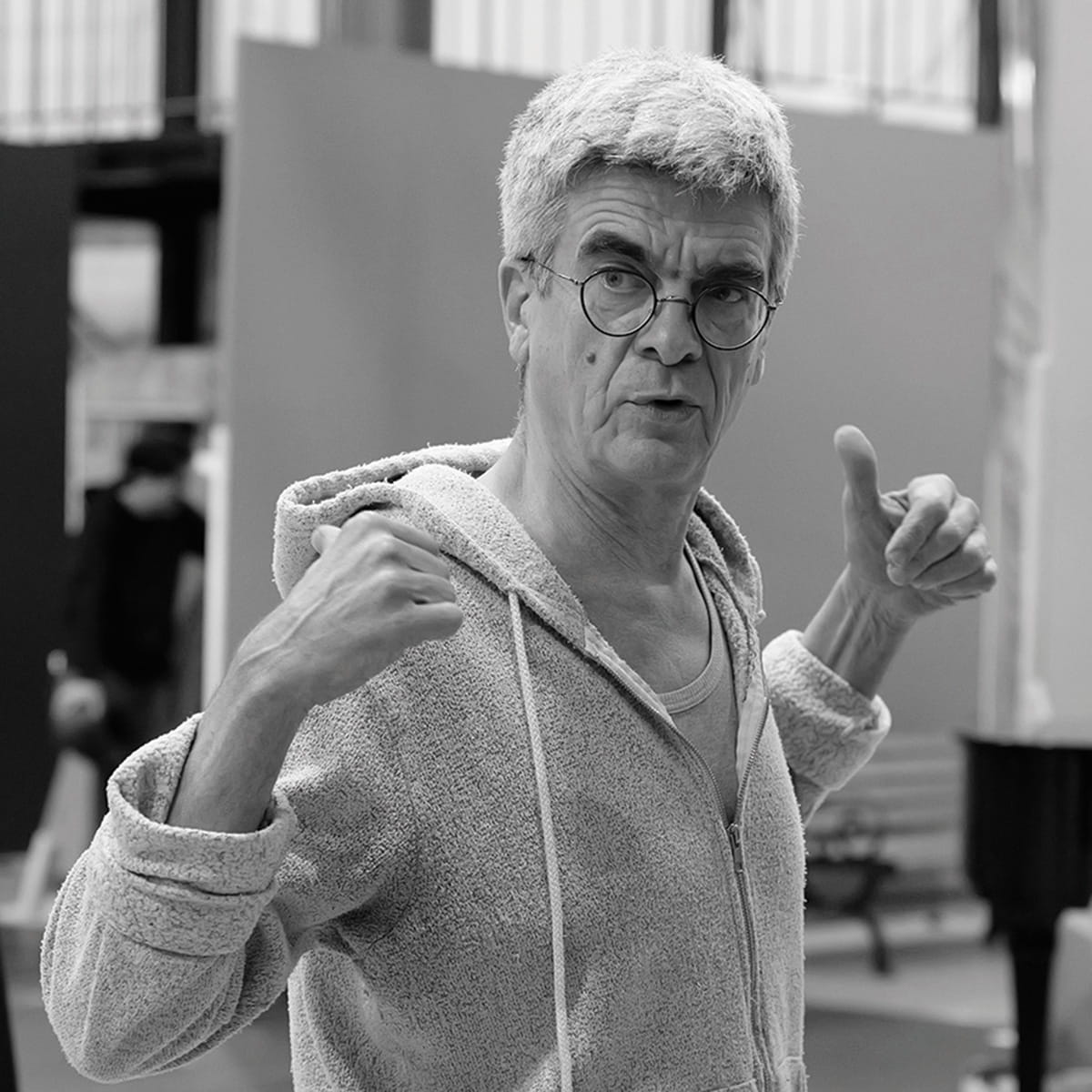
Having once described himself as one of the les enfant terribles of French dance, Philippe Decouflé is a master of choreography and a visionary director, internationally renowned for his inventive artistry, integrating diverse genres such as video, opera, circus, cabaret, and contemporary art into his works. He has directed and created work for Lyon Opera Ballet, Crazy Horse, Cirque de Soleil and his own company, Decouflé Company of Arts. Notably, he was the creative mind behind the opening and closing ceremonies of the Winter Olympic Games in 1992.
He has also worked extensively in Japan and is the director and choreographer for the first-ever stage adaptation of Haruki Murakami’s End of the World and Hard-Boiled Wonderland (staged at Esplanade from 3 – 5 April 2026). In this interview, he gives some insights into his creative process and his reimagining of Murakami’s fantastical novel.
I see myself as an ‘artisan of images’. My work is to create moving paintings by weaving together elements of dance, video, shadow play, and circus. Rather than being a traditional storyteller, I aim to stir emotions through visual surprise.
It was the quiet madness and duality found in Haruki Murakami’s text. I was immediately captivated by the challenge of translating such a profoundly interior narrative into a concrete, dynamic stage language—especially the concept of shadows as a physical presence.
I was also really excited about the idea of making imaginary creatures, like unicorns and yamikuros (murks), dance.
For me, sketches are the first records of a dream. From there, the experimentation begins in the studio with the dancers. A sketch is like a map, but the final texture of the stage is born only by "walking the land" through rehearsals and discovering how a single light can transform a flat idea into a three-dimensional wonder.
We mix real shadows with ‘fake’ shadows created through video. The choreography of a shadow without a body represents a movement liberated from gravity. By creating visual disconnects—where a shadow walks away while the body remains still—we illustrate the blurring of identity and the subconscious.
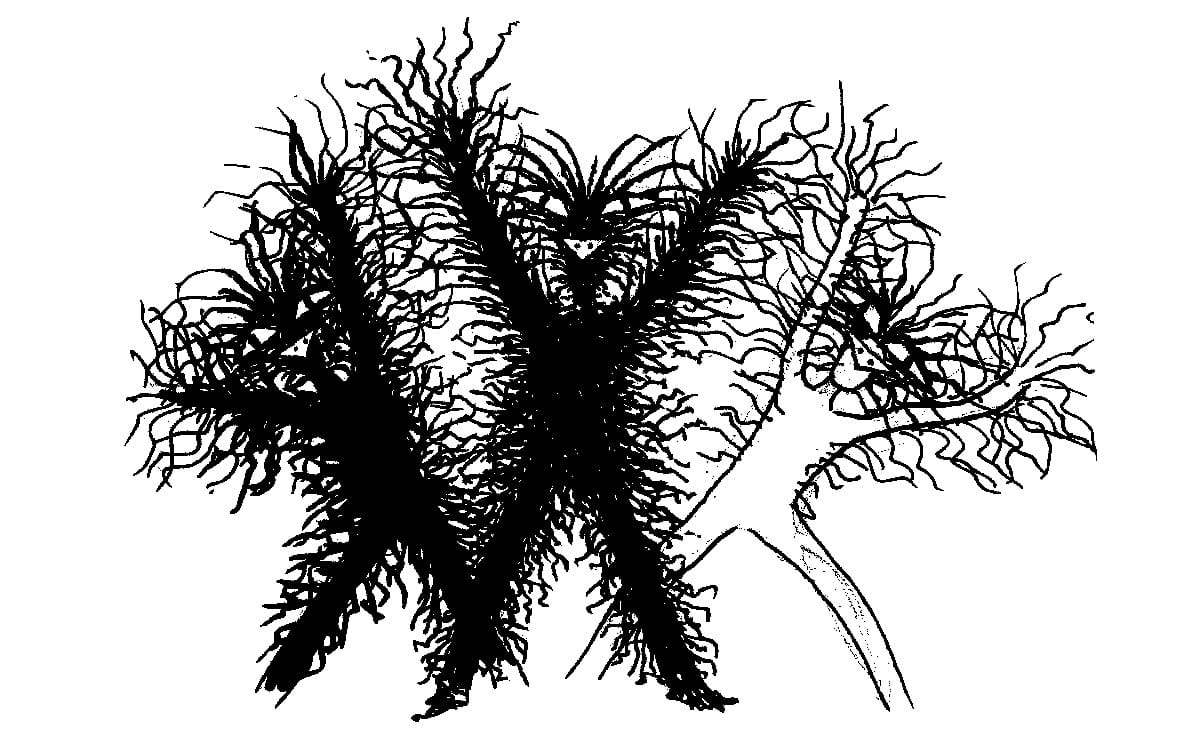
I drew inspiration from 1920s German Expressionist cinema, old magic tricks, and traditional shadow puppetry. For the set design, I looked at labyrinthine urban structures and abstract geometric patterns that evoke the internal architecture of the brain.
I also thought of Bob Wilson, the great director and visual artist who passed away recently.
I want the audience to be comfortably lost. Just as in Murakami’s novels, readers feel the atmosphere and scent of the world even if they don't fully understand their location. Disorientation is a vital part of the experience; it allows the audience to navigate the two worlds through their own intuition.
The challenge was converting internal monologues into movement. Instead of literal explanations, I sought to materialise the wordless landscapes of the heart using musical tones, the tempo of a dancer’s breath, and the sharp contrast of light and dark.
I don't distinguish between the two. I asked the actors for physical dialogue and the dancers for the embodiment of the story. By letting these different languages collide, we developed a new kind of physical language that is neither purely dance nor purely theatre.
Their chameleonic nature. I was particularly struck by the discipline of the Japanese actors and their lightning-fast physical responses to abstract requests. It was a wonderful surprise to see such stars dive so fearlessly into my experimental process as pure performers.
That I found my own entrance into the vast labyrinth of Haruki Murakami. I am very proud that we were able to shape these two complex narratives into a single, beautiful poem that resonates in the hearts of the audience.