5 breathtaking holy mountains to visit before you die

Published: 13 Apr 2018

Time taken : ~10mins

“
”
– John Muir, Scottish-American naturalist.
Throughout time, Man has been drawn to the natural landscape, struck by its beauty and by its spiritual powers. Of the many geographical wonders, the mountain features in many world cultures as a sacred site.
There is something solitary, mysterious and majestic about mountains that stirs the imagination to great heights. “Far, far above, piercing the infinite sky,” wrote English poet Percy Bysshe Shelley about one, “…the still and solemn power of many sights, and many sounds, and much of life and death”.
Besides literature, the mountain has also inspired countless myths and legends, from Noah’s biblical vessel believed to have come to shore on the Ararat Mountain bordering Turkey and Armenia, to Hindu god Shiva and the goddess Parvati’s abode up on Tibet’s Mount Kailash.
Perhaps it is Man’s belief that it is where one can be closest to the heavens, or perhaps it is the indescribable sense of wonder, peace and connectedness with nature the sight of a mountain evokes, that in itself is a divine experience.
Whatever your spiritual persuasion, here are five breathtaking sacred mountains to visit, from the easiest to scale, to the most challenging. And learn more about the spiritual traditions connected to them at the annual A Tapestry of Sacred Music festival.
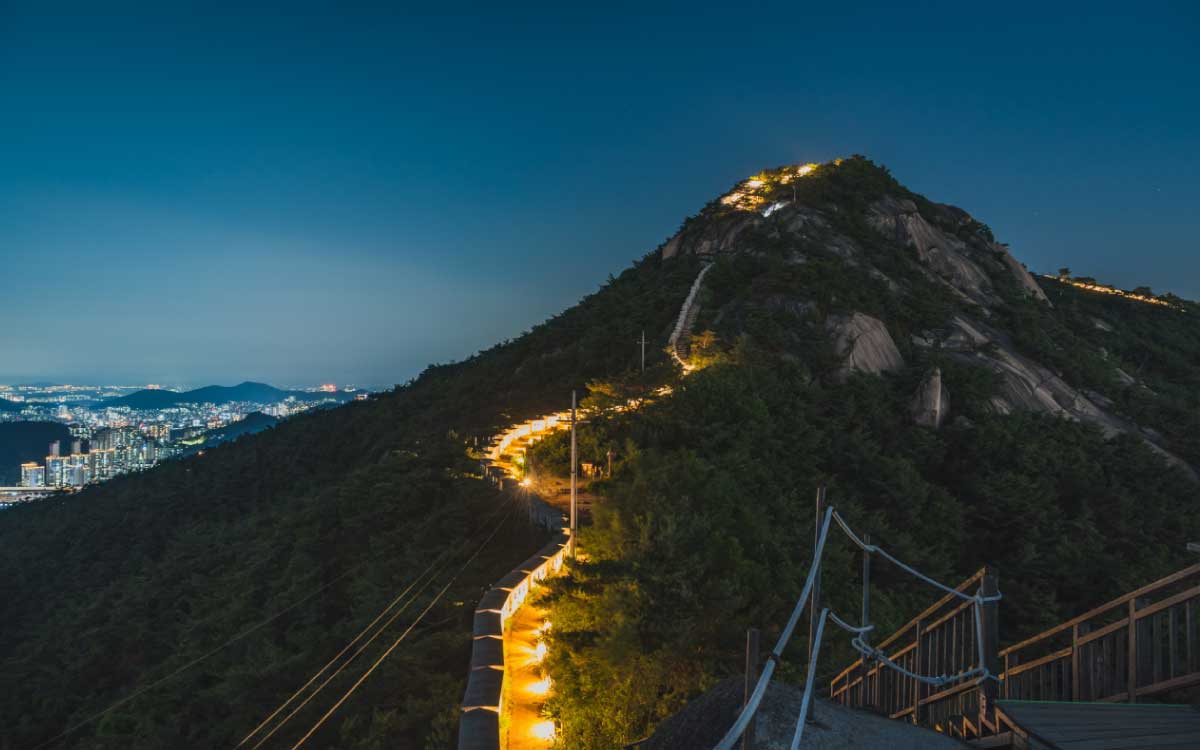
Elevation: 338 metres
Level of difficulty: easy
Go there to: catch a gut (shamanic ritual) at Guksadang shrine, where the mudang (female shamans) practise daily
Mountains have long been held sacred by the Koreans, who believe they were created by the ancient gods. It thus seems natural that the ones around the country are hotbeds of gut (pronounced "goot") activity. Almost every mountain has a san-shin (mountain spirit).
Overlooking the presidential residence in Seoul is Inwangsan (meaning “mountain of the benevolent king”), a relatively small mountain known to be one of the busiest sites for shamanic practice, distinguished by its granite peaks. The famous shamanic shrine Guksadang is located there. Once a private and forbidden shrine for the royals and used for sacrifices and exorcisms, it is now open to public and tended to by female shamans, who visit it daily to practice. On any day, one can watch the mudang perform rituals, which include dance, incantations and the cutting of animal entrails.
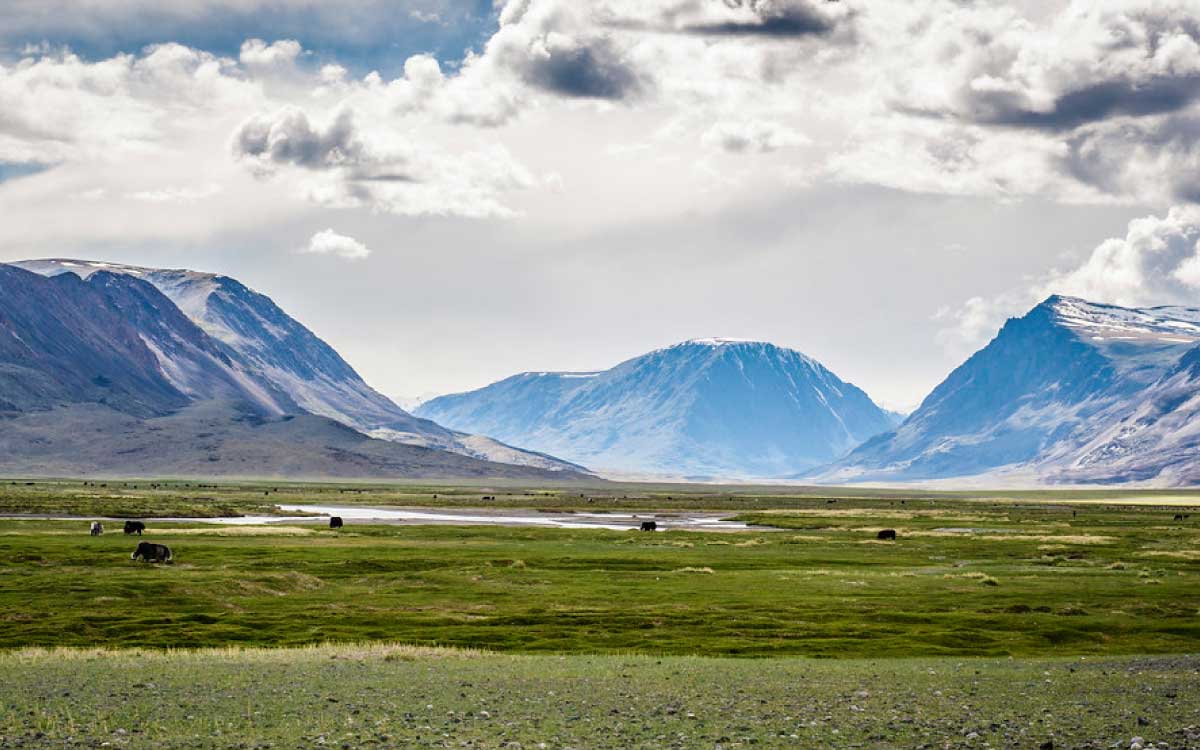
Elevation: 3,349 metres
Level of difficulty: easy
Go there to: sit around a bonfire and connect with the spirits of the Siberian ancestors in a shamanic ritual; or listen to the Tuvan throat singers as they sound the calls of the natural world
Part of the Altai Mountains that run across Russia, Kazakhstan and Mongolia, Shiveet Khairkhan is home to the nomadic Tuvan herders (the smallest ethnic minority in Mongolia), revered by them as one of the most sacred places. Each year, the people climb to the summit to make offerings to the natural spirits. Adding to the mystery of the place is its ancient tribal history, evident in the thousands of archaeological monuments and petroglyphs (rock carvings) dating back to as early as the Neolithic period that have been discovered around the mountain.
Be transported to the land of herding, wrestling, shamanism and folklore through Tuvan throat-singing: Watch Cargo Lift Sessions featuring Tuvan ensemble Huun-Huur-Tu
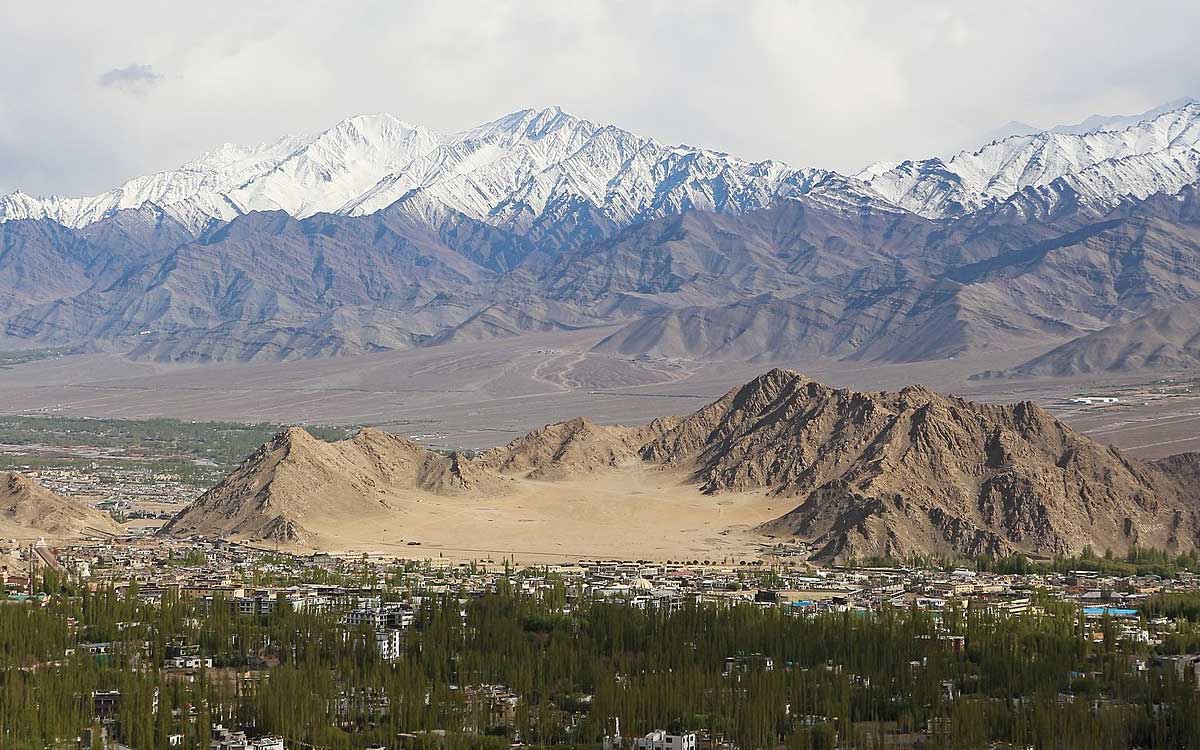
Elevation: 3,500 metres
Level of difficulty: moderate
Go there to: soak in the natural beauty of the Kashmir region and the expressive paintings in gompas that dot the entire region; then, catch a cham dance during a festival and receive blessings from deities
Often referred to as “Little Tibet” or “the Last Shangri-La” of traditional Buddhist heritage, the former kingdom of Ladakh is a remote yet picturesque region that sits on rolling valley plains surrounded by spectacular mountains. It is home to a small community of ethnic Tibetans, who are largely followers of Tibetan Buddhism and who believe the mountains symbolise physical and spiritual elevation.
Level of difficulty: moderate
Elevation: 3,767 metres
Go there to: meditate and find respite away from the hustle and bustle of the city, or experience the picturesque scenery and lush greenery that once inspired Laozi; complete your experience with guqin music and Chinese tea.
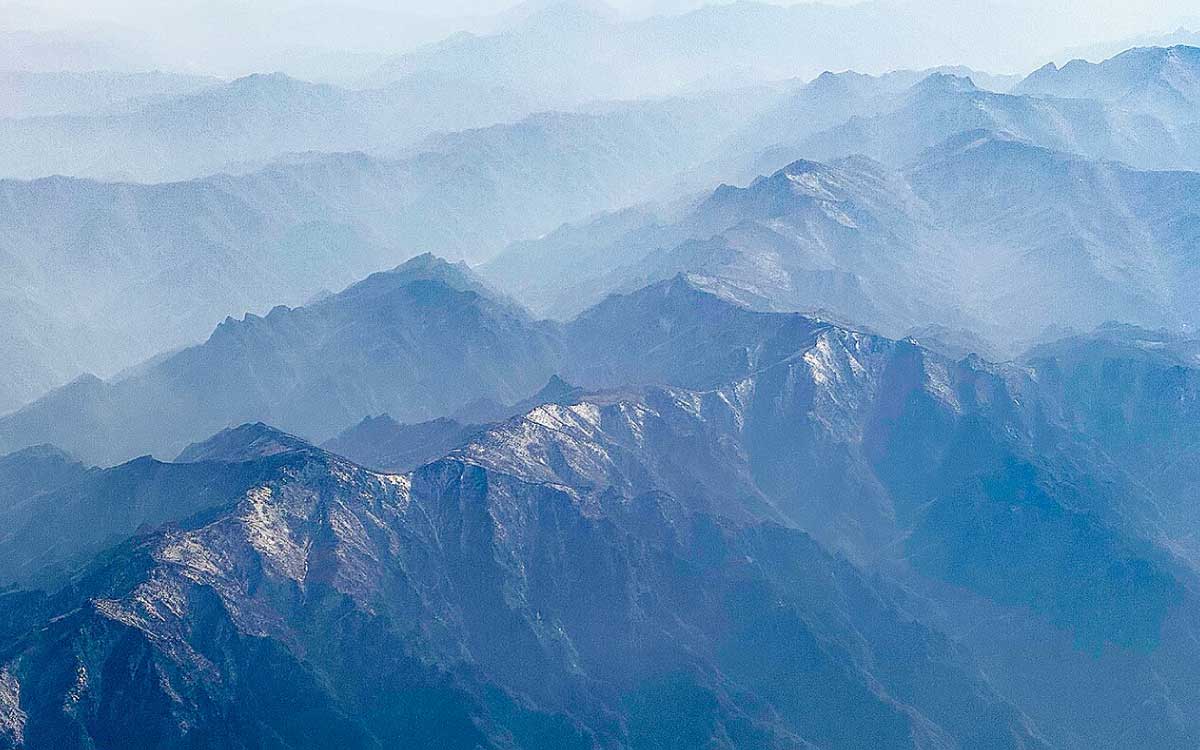
A popular place of dwelling for Taoist hermits since the Qin dynasty, this collection of mountains (also referred to as the Zhounan or Taiyi Mountains) situated in the province of Shaanxi is said to be the birthplace of Taoism. As legend has it, the philosopher Laozi composed the Tao Te Ching (道德经) on the grounds of the ancient temple Louguantai, located on one of these very mountains.
The Zhongnan Mountains has been the subject of thousand-year-old poems, paintings and music. According to Taoist belief, it is through the mountains that one can communicate with the immortals and the primeval powers of the earth.
About three to five thousand hermits live there at any given time, staying anywhere from a few months to a lifetime. The “hermit spirit” encompasses several practices including Chinese tea ceremonies, ink painting and guqin music, the last of which has been used as a vehicle for spiritual cultivation for three millennia.
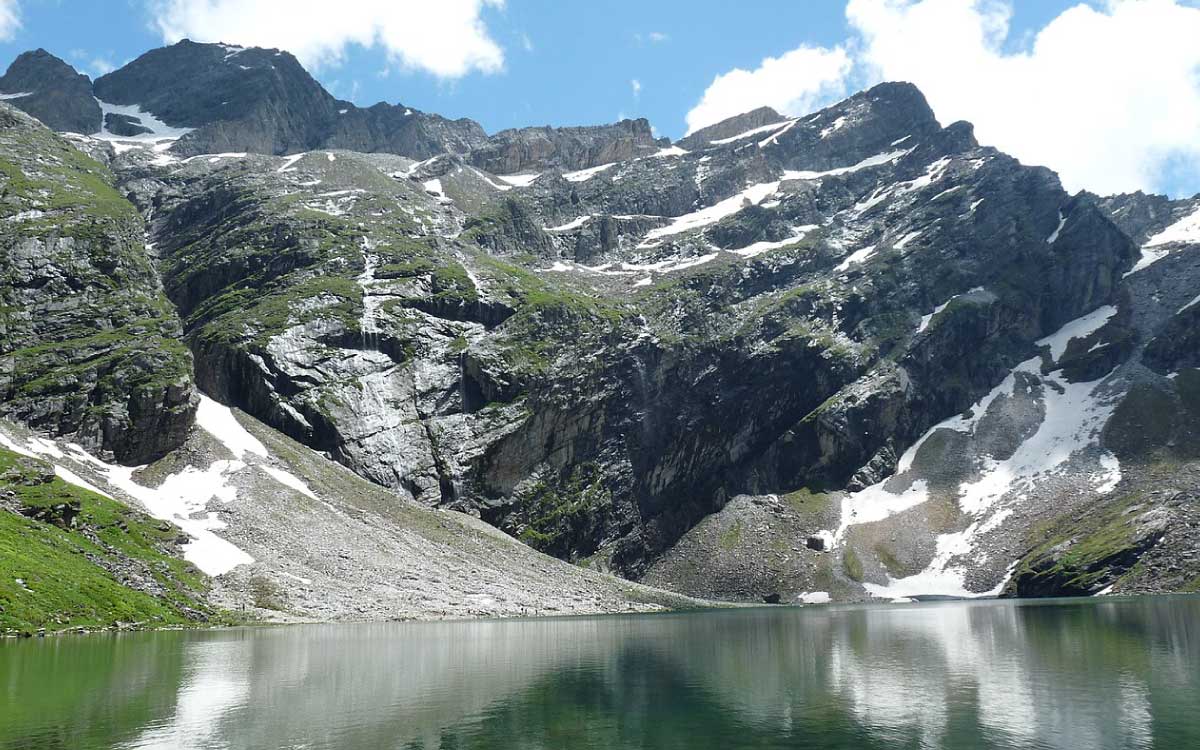
Elevation: 4,329 metres
Level of difficulty: extremely challenging
Go there to: join Sikh pilgrims on their daunting trek up the mountain and be rewarded with an astounding view of the glacial lake where the Hemkunt Sahib is located.
If one were to go looking for a stairway to heaven, one might find it on the way up to Hemkunt Sahib, a gurdwara (temple) and pilgrimage site of the Sikhs built on a glacial lake surrounded by seven mountain peaks known collectively as Sapt Shring. The gurdwara draws pilgrims and tourists during the four months it's opened to public, but the journey up is not easy. One must trek through mountain paths before climbing up a steep, stoned footpath of more than a thousand steps. Although many experience altitude sickness during their ascent, the journey is well worth it. There, the stairs give way to a view so magnificent it feels as though one has stepped into a fantasy novel.
After all, it is where the Sikhs believe their 10th Sikh guru, Guru Gobind Singh dwelled. Thousands make their pilgrimage there each year to plunge into the icy depths of the gleaming lake, a reward for reaching the top. Then they wrap themselves in blankets, meditate, and sing kirtans in praise of their god.
Take in the intimate expressions of love in a kirtan performance by devotees from Gurmat Sangeet Academy and find out what's a kirtan.
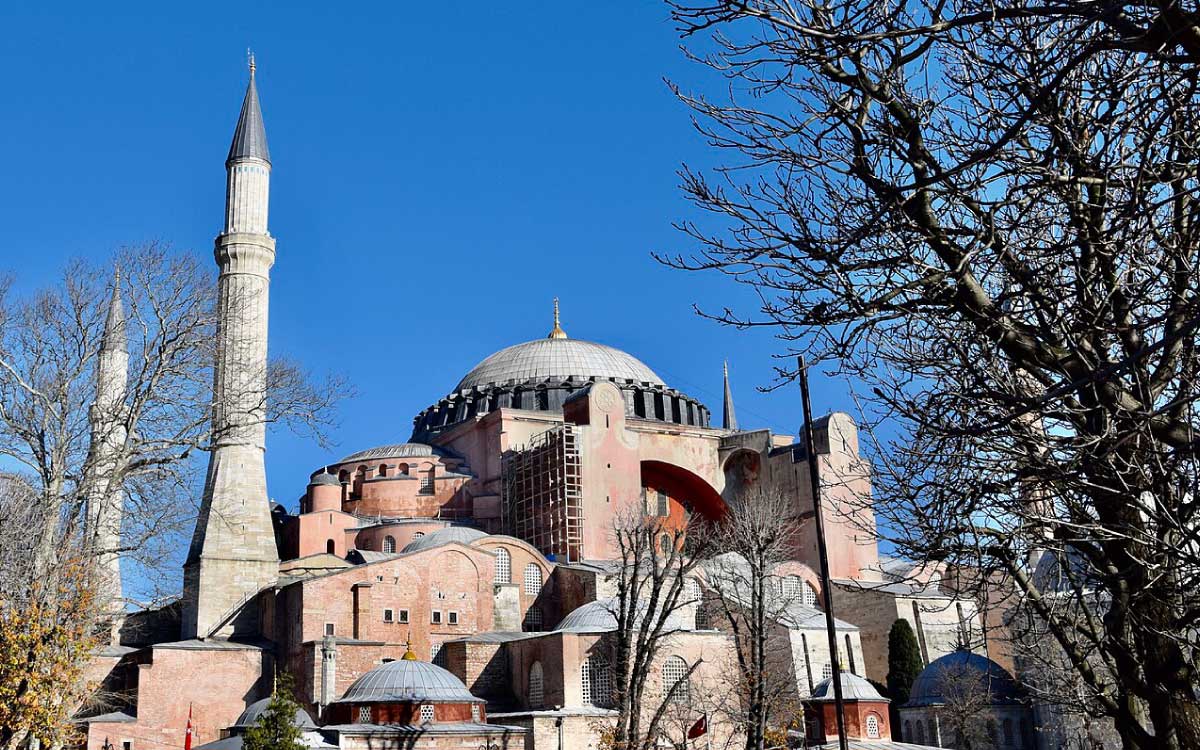
Elevation: 56 metres
Level of difficulty: easy
Go there to: marvel at the beauty of Byzantine architecture, and learn about the rich complicated history of this church-turned-mosque-turned-museum
Once described as a “sacred mountain of a building, vast and elemental” by architectural historian Dan Cruickshank, this behemoth of a man-made structure has a significant albeit controversial place in Turkish history, steeped in the entwining legacies of conquests and changing regimes.
The Hagia Sophia, whose name means “holy wisdom,” is a formidable structure and the epitome of Byzantine architecture originally built as a basilica for the Greek Orthodox Christian church. It later became a Roman Catholic Church, then an imperial mosque of the Ottoman Empire. In its complicated 1,400-year history, the building has been destroyed and rebuilt a few times, with emperors adding their own mosaics to its walls as each regime changed hands.